

Government figures show that 3.3m workers currently using salary sacrifice will be impacted by the changes announced in the recent Budget.
These figures were contained in the latest impact assessment, which showed that 7.7m workers currently use salary sacrifice and 42 per cent of them sacrifice more than £2,000 a year, so face paying national insurance on the salary sacrificed over this limit from 2029.
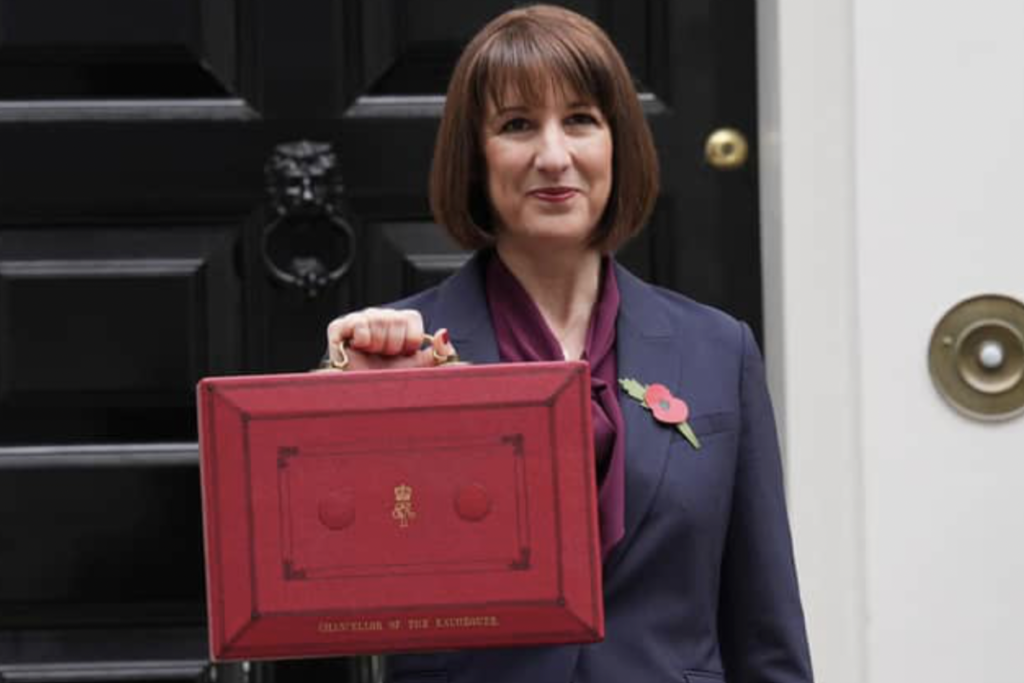
Last week the Chancellor announced plans to limit salary sacrifice. Those sacrificing more than £2,000 a year will now pay NI on the surplus, although here will still be potential income tax savings.
LCP pointed out that in the Budget red book, the Government had previously said that amongst basic rate taxpayers, around 26 per cent would lose out. The the pension consultancy firm said the number of losers could be greater than this if employers respond to the change by making pension provision less generous for all workers.
Steve Webb, partner at pension consultants LCP, and a former pensions minister says: “A Budget measure that was largely seen as complex and technical could have significant real-world implications for millions of workers.
“At a time when the nation as a whole has a significant ‘under-saving’ problem, this change will make matters worse. On the Government’s own estimates, around 3 in 7 of the workers who use salary sacrifice to pay into their pensions will be hit by the change, whilst employers will face a bigger hit because of their higher rate of National Insurance Contributions. Although employers have time between now and 2029 to consider their options, there is a risk that some will simply cut back on the generosity of their workplace pension offering, which would be a serious backward step.”
Nicholas Nesbitt, private client partner at Forvis Mazars adds: “Come 2029, this will disproportionately hit those earning under £50,270, as they will be paying 8 per cent NICs where they are aiming to save well for their future. However, higher earners with incomes over £50,270 would see just a 2 per cent NIC cost on their contributions.
“Many employers pass on NIC savings as further pension contributions for their employees and removing these reliefs could cut employees’ pension savings further. That said, a lot can change in four years, and while workers should plan for the changes, the landscape may be different by April 2029.”