Corporate Adviser
  • Content Hubs
  • Magazine
  • Alerts
  • Events
  • Video
    • Master Trust Conference 2024 videos
  • Research & Guides
  • About
  • Contact
  • Home
  • News
  • In Depth
  • Profile
  • Pensions
    • Auto-enrolment
    • DB
    • DC
    • Defaults
    • Investment
    • Master Trusts
    • Sipps & SSAS
    • Taxation
  • Group Risk
    • Group Life
    • Group IP
    • Group CIC
    • Mental Health
    • Rehab
    • Wellbeing
  • Healthcare
    • Musculoskeletal
    • Mental Health
    • IPT
    • Wellbeing
    • Trusts
    • Cash Plans
  • Wellbeing
    • Mental Health
    • Health & Wellbeing
    • Financial resilience
  • ESG
No Result
View All Result
Corporate Adviser
No Result
View All Result

Target drawdown option ‘could sidestep charge cap’

by Corporate Adviser
January 16, 2015
Share on FacebookShare on TwitterShare on LinkedInShare on Pinterest

The report, which was written by Spence Johnson with a particular focus on the challenges for SME schemes and is compiled from qualitative views from industry professionals, highlights the way cost and liquidity concerns are a key constraint on greater asset class diversification for providers of low cost multi-asset strategies.

The report says cost constraints arising from market competition and the introduction of the charge cap are key drivers in the varied design construction of default funds, and maintaining a diversified investment approach within these cost constraints is emerging as a key challenge for the designers of SME default solutions.

With the pensions and investment industry bracing themselves for a further reduction in the charge cap in future, experts interviewed for the report suggested higher cost non-default options could be offered for those looking to go into drawdown.

Legal & General head of investment proposition, workplace savings Douglas Jones said in the report: “If drawdown is an option rather than a default it will not be caught by the charge cap, so I think that’s where then a lot of the industry will go.”

Leigh McArthur of Standard Life told the report: “The price cap has meant a lot of our larger clients, who had been using active funds in their defaults, are now mixing in more passive to get the blended costs down.”

Tony Charlwood of The Pensions Trust said: “The charge cap, which may go down further in 2017, is one of the main factors that is likely to limit the amount of diversification that can be achieved in a DC default fund.”
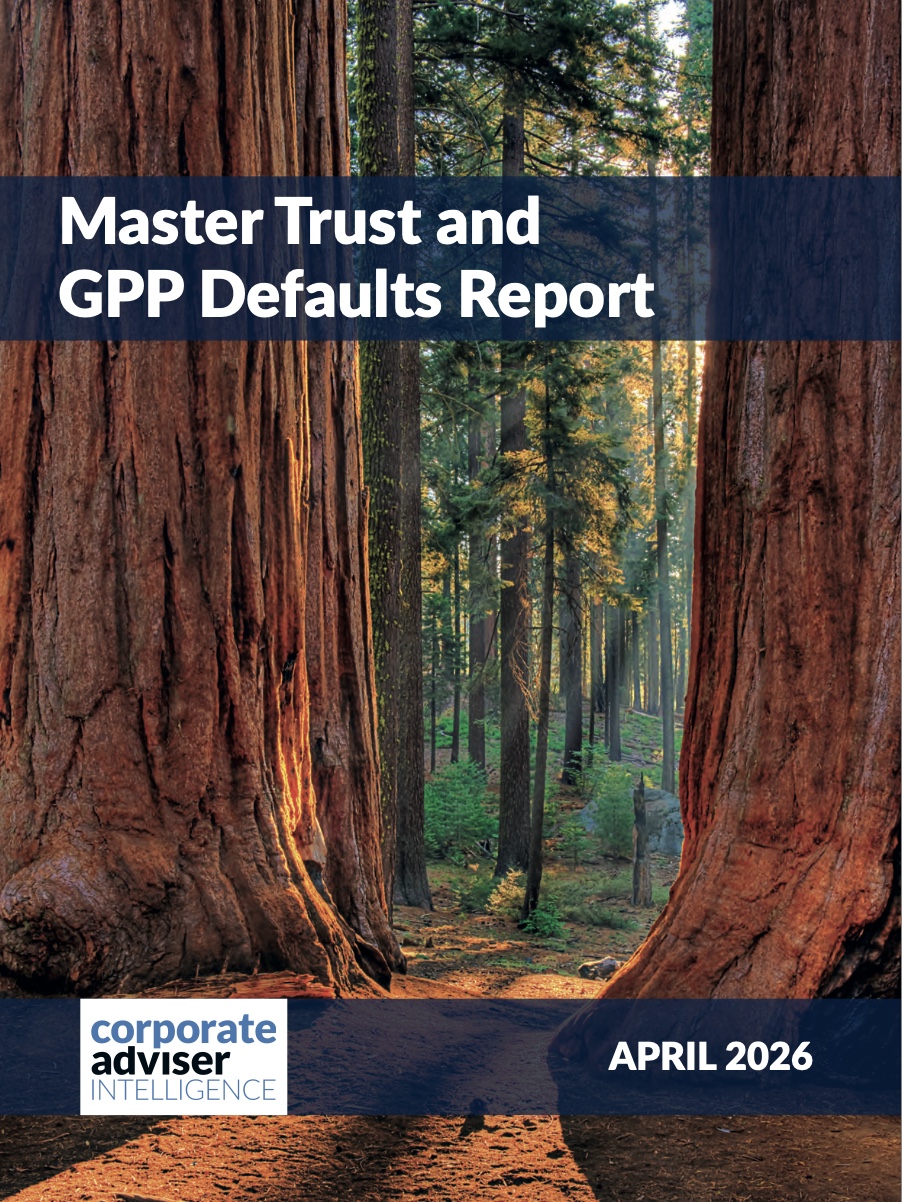

Corporate Adviser Special Report

REQUEST YOUR COPY

Most Popular

  • FCA charge cap review – performance fees, not 0.75pc

  • Govt launches consultation on evolving role of trustees

  • One in five take up L&G guided retirement journey

  • Mercer commits £350m to Schroders LTAF targeting UK private markets

  • State pension age rises push 250,000 more early-60s into poverty

  • More than a quarter unaware of pay days left before retirement: Aviva

Corporate Adviser

© 2017-2024 Definite Article Media Limited. Design by 71 Media Limited.

  • About
  • Advertise
  • Privacy policy
  • T&Cs
  • Contact

Follow Us

X
No Result
View All Result
  • Home
  • News
  • In Depth
  • Profile
  • Pensions
    • Auto-enrolment
    • DB
    • DC
    • Defaults
    • Investment
    • Master Trusts
    • Sipps & SSAS
    • Taxation
  • Group Risk
    • Group Life
    • Group IP
    • Group CIC
    • Mental Health
    • Rehab
    • Wellbeing
  • Healthcare
    • Musculoskeletal
    • Mental Health
    • IPT
    • Wellbeing
    • Trusts
    • Cash Plans
  • Wellbeing
    • Mental Health
    • Health & Wellbeing
    • Financial resilience
  • ESG

No Result
View All Result
  • Home
  • News
  • In Depth
  • Profile
  • Pensions
    • Auto-enrolment
    • DB
    • DC
    • Defaults
    • Investment
    • Master Trusts
    • Sipps & SSAS
    • Taxation
  • Group Risk
    • Group Life
    • Group IP
    • Group CIC
    • Mental Health
    • Rehab
    • Wellbeing
  • Healthcare
    • Musculoskeletal
    • Mental Health
    • IPT
    • Wellbeing
    • Trusts
    • Cash Plans
  • Wellbeing
    • Mental Health
    • Health & Wellbeing
    • Financial resilience
  • ESG

This website uses cookies. By continuing to use this website you are giving consent to cookies being used. Visit our Privacy and Cookie Policy.