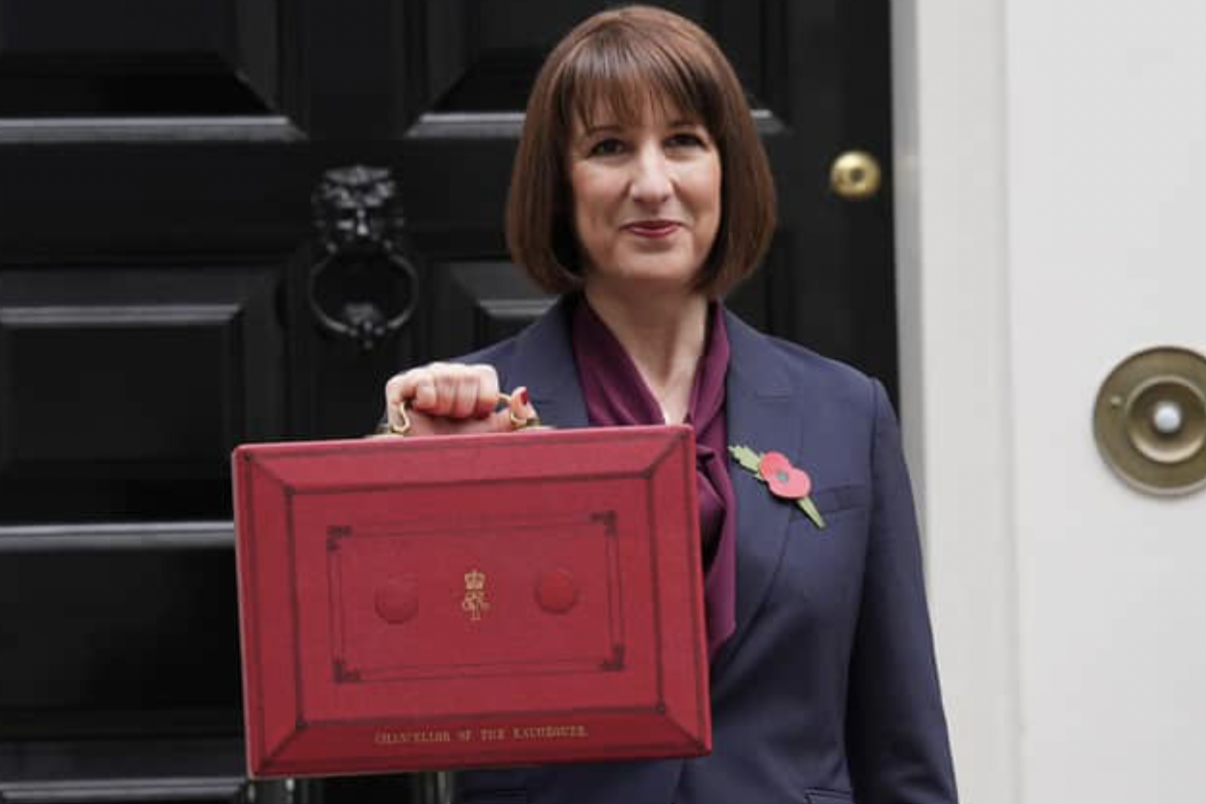
Pension tax relief cost the Government £78.2bn last year, according to new HMRC statistics — causing speculation that the Chancellor may look to restrict this in the next Budget.
This is the total gross income tax and NIC relief for the 2023/24 tax year — this is significantly higher than the £72.1bn cost the year before.
The figures show that £54.2bn of this was income tax relief — with 68 per cent of this granted to higher or additional-rate taxpayers.
Advisers have said that this will inevitably fuel pre-Budget speculation about a raid on pension tax relief for savers by the cash-strapped Chancellor Rachel Reeves. However, there have been similar scares in the past — with many speculating last year that Reeves would restrict the amount people can take from their pensions as a tax-free lump sum. This led to an increased number of people accessing tax-free lump sums early — which could have negatively impacted longer-term financial plans. No changes were subsequently made to pensions tax relief or access to tax-free cash.
Advisers have also pointed out that any move to restrict higher-rate tax relief would impact those saving into DB schemes, which would include many public sector workers, and could lead to questions over the future of salary sacrifice.
Evelyn Partners financial planning partner David Little says: “One of the more eye-catching data points is the size of pension income tax relief, and within that the amount that is accounted for by higher and additional rates of tax, which jumped quite significantly compared to the previous year. With the Autumn Budget on the horizon and the public finances in a parlous state, you can’t help thinking that this will be noticed in the Treasury.
“That’s not to say that withdrawing higher rates of pension tax relief is necessarily the right or sensible thing to do – or that it is very likely to happen. It would be potentially very complicated and administratively costly, and the Chancellor would have to employ some sleight of hand with some sort of carve-out to forestall trouble with higher-paid public sector workers.”
He adds: “It could dent faith in the private pension system and potentially hit savings rates at the very time that a Pensions Commission has been instructed to figure out how to get people saving more. Finally, it would extinguish a crucial incentive remaining in the income tax system where workers are being drawn into ever-higher tax brackets.”
AJ Bell director of public policy Tom Selby pointed out that around a third of the gross cost of tax relief is accounted for by NI relief on employer contributions.
A further £6.2bn is the annual cost of employee tax relief in ‘net pay’ schemes — much of which will be public sector defined benefit (DB) contributions – with a further £7.2 billion attributed to employee salary sacrifice arrangements.
Selby says: “On the face of it, numbers from HMRC could make pensions look like a juicy target.
“However, this overall figure can be misleading. A huge chunk of that money relates to National Insurance relief on employer contributions, meaning it is mainly firms, rather than individuals, who are benefitting.
“Given employers have already been clobbered by NI rises at the last Budget and the Government has put economic growth at the centre of its strategy, it is hard to imagine lumping extra costs on the businesses who will ultimately deliver that growth will be particularly appealing.
“Those who repeatedly push for radical tax relief reform have yet to spell out exactly how it would be applied practically. The most obvious challenge would be in relation to ‘net pay’ pension arrangements, including DB schemes, the vast majority of which now reside in the public sector.”
He adds: “The constant rumour and speculation about pension tax relief and tax-free cash is destabilising for long-term savers. Given the Government has committed to stability, providing at least some certainty around the incentives that exist to save for retirement doesn’t seem a lot to ask. This could be delivered through a ‘Pensions Tax Lock’ pledge – a commitment not to touch tax relief or tax-free cash, at least for the rest of this Parliament.”