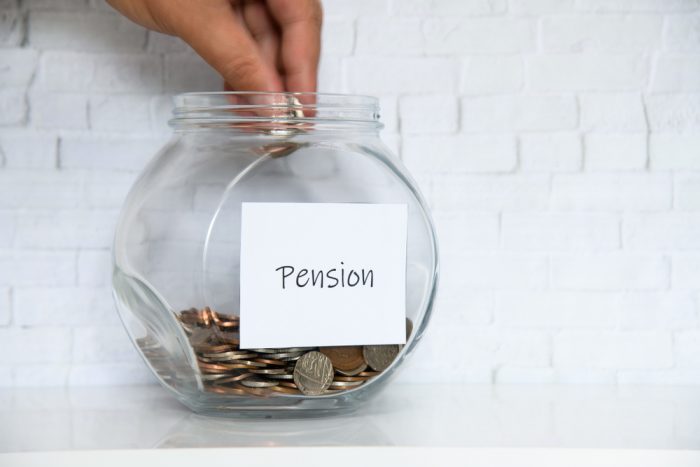
The state pension could rise by more than £550 to £12,524 a year from April 2026 if current earnings growth of 4.6 per cent continues, according to analysis from Broadstone.
Earnings are rising faster than inflation and if this continues, the state pension will increase from £11,973 to £12,524. Meanwhile, slower growth would see the rise linked to inflation, giving a smaller £480 boost to £12,452.
The rise keeps the state pension just under the freeze on personal allowance, which is £12,570 but more pensioners are still expected to pay income tax. HMRC predicts 8.7m over state pension age will be liable in 2025/26, up 420,000 year on year and 1.85m more than a decade earlier.
Broadstone’s analysis comes as the government reviews state pension age against long-term affordability pressures.
Broadstone head of policy David Brooks says: “Another significant increase to the state pension now looks inevitable given the strong growth in average earnings and rising inflation.
“The good news is this will provide further financial assistance to pensioners in light of ongoing cost-of-living pressures and the reliance of many retirees on the State Pension as their main source of income.
“The bad news is that the rising costs of the benefit risks creating growing tension between today’s taxpayers who fund the system and current pensioners who rely on it. The Government and Pensions Commission will be under pressure to confront this challenge as part of the independent State Pension age review.
“It seems inevitable that, while the State Pension will and should remain a bedrock of retirement provision, calls to introduce means-testing will grow louder. These should be resisted, but what remains on the table is the possibility of the cost being met by wealthier pensioners via the introduction of a national insurance contribution of some kind or a winding down of the Triple Lock.”
“Ultimately, the cost of the State Pension is a political decision. The persistence of the Triple Lock has created a steady rise in costs without clear long-term policy direction. As the retired population grows and depends increasingly on today’s workers to fund the system, some form of change is unavoidable.”