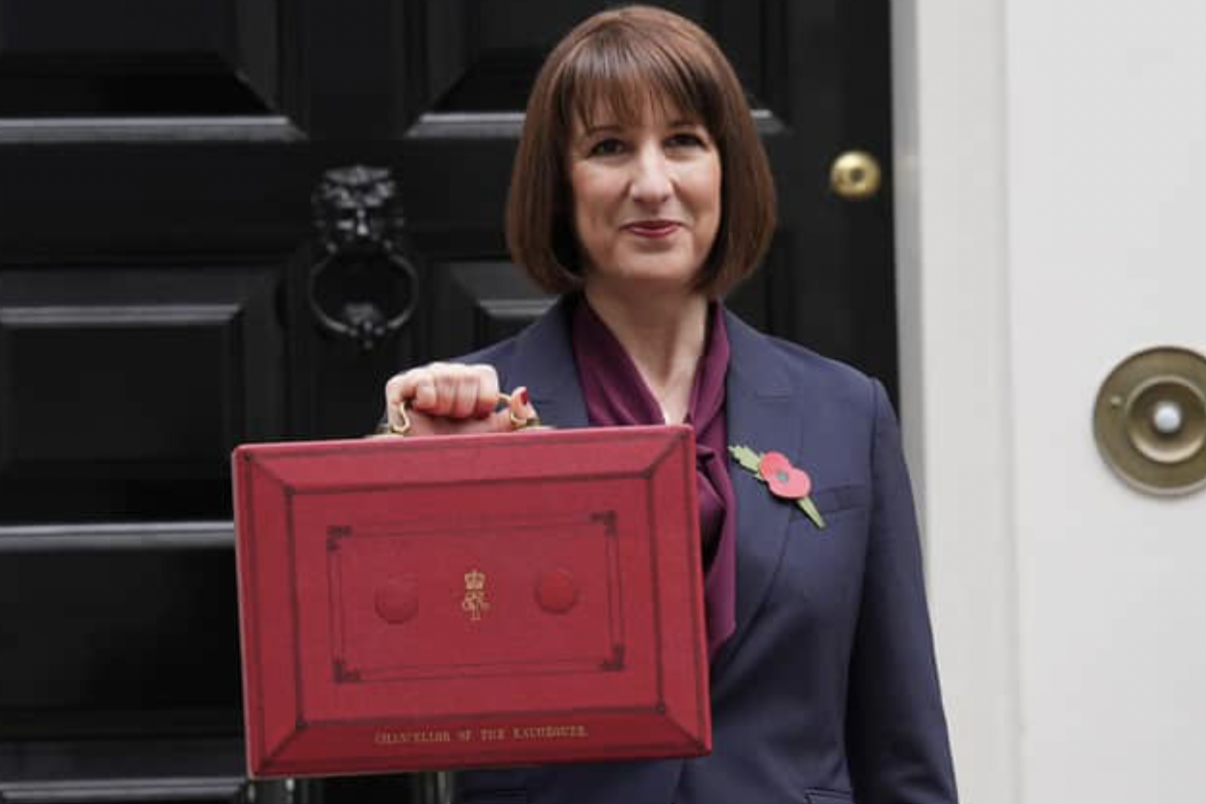
The Chancellor Rachel Reeves is planning a £4bn tax raid by restricting the amount employees can save into salary sacrifices schemes, according to media reports.
The Daily Telegraph reports that Reeves will look to target the National Insurance element of this, by restricting the amount that can be saved into these schemes.
These latest Budget rumours come after HMRC recently paid for research among employers, looking at how they might respond to changes made to salary sacrifice schemes.
Currently employees can divert some of their salary into workplace pensions, saving both income tax and national insurance on these payments. The employer will also make NI savings on these payments.
These has been a significant increase in enquiries from employers about salary sacrifice schemes since the Chancellor increased the national insurance rate for employers in the last Budget.
HMRC figures show that in the 2023/24 tax year the cost of NI tax relief on salary sacrifice was over £4bn, with around two thirds of this granted to employers. In 2019/20 this was below £3bn.
According to the media report the Treasury has pointed out that the NI savings made through salary sacrifice are topically benefit larger employer, because of the administrative cost of running these schemes. Official figures also surge that more than three quarters of income tax relief on salary sacrifice goes to higher or additional rate taxpayer. Often they are used by those just over this thresholds to boost pension payments and reduce tax bills.
The former pensions minister and LCP partner Sir Steve Webb said that abolishing salary sacrifice could discourage pension savings and impact retirement adequacy.
He said: “Previously governments have allowed salary sacrifice for pension contributions to encourage firms to provide good pensions.
“If it was abolished it would penalise the best employers and make it less attractive to offer decent pensions. A more modest reform would be to cap the amount which can be sacrificed, and HMRC have tested employer opinion on this option as well.”
Analysis by LCP suggests more than three million basic rate taxpayers could lose out if salary sacrifice was abolished completely. However capping the relief at £2,000 per year would shield the average worker and their employer from paying NI on pension contributions. HMRC said someone earning £45,000 who sacrificed 5pc of their salary would pay an additional £30 under this system, while their employer would face only an additional £34 bill.
Webb added: “I don’t normally pay too much attention to pre-Budget speculation, but this one has the ring of truth about it, especially just a few weeks before the Budget.”
He added that HMRC has already explored the option of capping, rather than scrapping salary sacrifice for pensions. “The Govt may favour something which is not well understood by the public and, if capped, mainly impacts higher earners in the private sector.”
The Resolution Foundation, previously run by the pensions minister Torsten Bell, has previously called for the reform of salary sacrifice schemes, as has the Institute for Fiscal Studies (IFS).