The Pensions Commission has called for “a renewed national settlement on pensions” as its publishes its interim report on the state of retirement saving in the UK.
This report identified significant issues around undersaving for retirement, particularly among lower-earners, women and the self-employed, as well as highlighting the potential problems created by pension freedoms, with around three in 10 private pension pots accessed at the earliest possible opportunity, and around half of these pots accessed in full.
It adds that around half of these pots accessed are used to fund large expenses such as a car, holidays or home renovations.
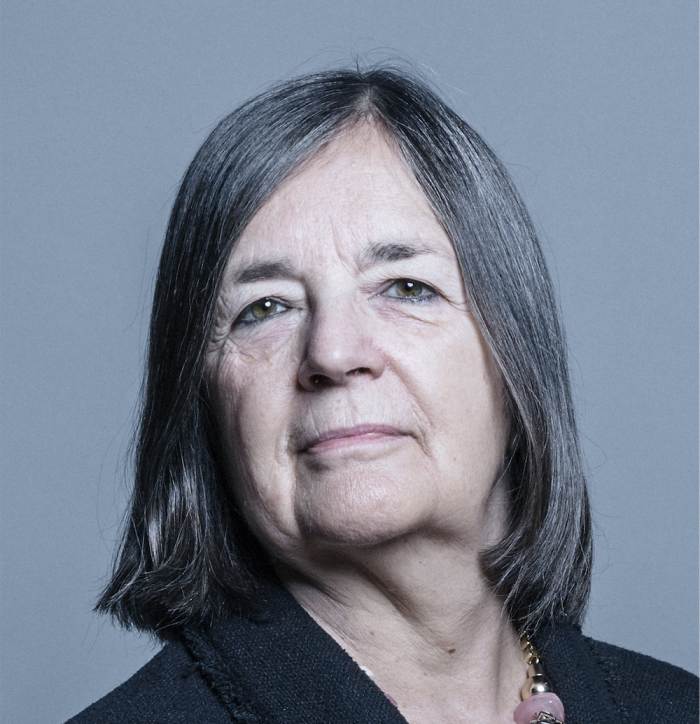
This second pensions commission, led by Baroness Jeannie Drake aims to build on the work of the first pension commission, which led to the establishment of auto-enrolment.
Its interim report outlines the key challenges facing there current system, to understand why the next generation of retirees are on track to be poorer than those retiring today.
This will be followed by its final report, due in 2027, which will contain recommendations for future policy, with the view of gaining a cross-party support and a consensus from employer groups, unions, consumer bodies and other interested parties.
The report covers a number of key issues. Alongside AE coverage and contributions levels it also examines measurements of what an adequate retirement income might look alongside the impact of investment returns in the DC sector, when it comes to achieving a decent level of income in retirement.
The report also looks at the challenges savers face around decumulation in a DC world, both in terms of covering pensions savings into a regular income and the issues caused by access to retirement funds from the age of 55.
Overall the report found that there are 15 million people under saving for retirement, which could rise to 19 million without further action. The report says low and middle earners are most at risk with around half saving only the minimum levels into AE, with little private pensions or other savings to fall back on.
It also found that 45 per cent of working-age adults — around 18 million people — are not saving into a pension at all, despite nearly half of them being in work.
The report says that where employers are contributing about the statutory minimum this is largely benefiting higher earners.
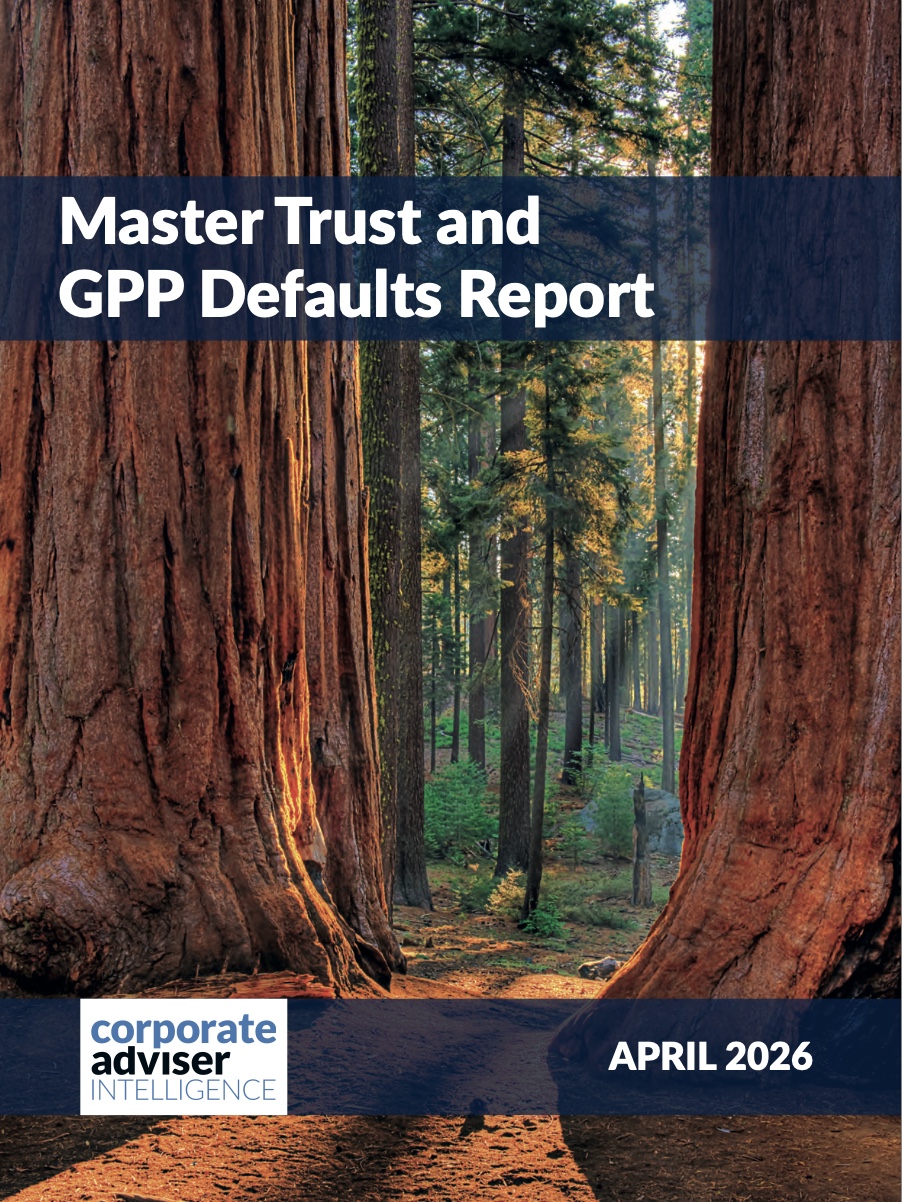
The Commission references data from both Corporate Adviser’s Master Trust and GPP report and its Workplace Pensions into Retirement Report as part of the key evidence for its findings. This particularly relates to its work looking at the performance of different pension schemes and how glide paths and de-risking can impact pensions adequacy, particularly in the wake of pension freedom rules, with savers largely staying invested on cashing in pensions rather than buying an annuity.
This emphasis on adequacy and undersaving has raised the prospect that the Commission will look at how to raise AE contribution levels fairly and sustainably, through increased employer and employee payments into AE.
Pensions commissioner Baronness Jeannie Drake says: “Over the past two decades since the Turner Commission there is no doubt pensions reform can be described as a success. Yet the second Pensions Commission is looking forward and seeing many people not saving enough and millions not saving at all. This demands a renewed national settlement on pensions.
“Achieving this will require clarity of purpose, but it also offers a moment of opportunity; to renew a social contract that commands confidence across the country.
The recommendations we present in our final report will address the need to secure adequate income in later life and a pension system that is fit for decades to come.”
The Minister for Pensions, Torsten Bell welcomed this interim report. “Britain has got back into the pension saving habit, but the job is only half done with tomorrow’s pensioners still on track to be poorer than today’s.
“The Pensions Commission sets out clearly the scale of the challenge: not enough people are saving for retirement, and many of those that are aren’t saving enough.
“The Commission warns that without action millions more people could be at risk of becoming reliant on state support in retirement.”
LCP partner and former pensions minister Steve Webb says it is clear that this interim report could pave the way for increases to AE contribution levels over the next decade, which is likely to include a mixture of higher contribution rates and changes to the band of ‘qualifying earnings’, potentially lowering the starting level and increasing the upper level.
He adds he would expect to also see tighter rules around decumulation – although he says it is unlikely that pension freedoms will be fully reversed.
Webb adds: “It is also clear the report is concerned about the variation in returns achieved by different pension providers, and particularly the returns delivered by the poorest performers.”
The TUC general secretary Paul Nowak says: “Workers deserve a pension system that guarantees against poverty in retirement and enables them to maintain their standard of living.
“Although millions more people are now building up workplace pensions, far too many on low and middle incomes are not heading for a decent retirement – with women, Black and minority ethnic and disabled workers, and those in the gig economy at highest risk.
“The Commission must now develop a bold plan to fix this, which will need to include higher employer contributions and a fair deal for those currently missing out.”
However while this report was welcomed by employer organisations, such as the CBI, these bodies highlighted any change to employer contribution levels must be balanced with the government’s growth agenda, which could be hampered by a higher cost burden being placed on businesses.
CBI chief economist Louise Hellem says: “The publication of the Pensions Commission’s interim report is an important step towards building a long-term framework that delivers adequate living standards in retirement. Getting this right requires the government, businesses and individuals all to play their role in supporting better saving.
“As the debate progresses, it is vital that retirement adequacy is considered hand in hand with the UK’s growth ambitions. Strong economic growth underpins sustainable pension outcomes by supporting employment and higher sustainable wage growth, enabling individuals to save, and driving stronger investment returns over time. It is only growth that can sufficiently reduce difficult trade-offs and maintain political, public and business support for change.”
This sentiment was echoed by CIPD, the professional body for HR and people development. The CIPD senior reward and performance adviser Charles Cotton says: “If, in its final report, the Commission recommends increasing minimum employer pension contributions, it needs to recognise the cost implications for businesses already facing rising pressures across the UK.
“It must also make a compelling case for why employers should spend more on pensions and what they can expect in return. For example, ensuring people have the option to retire supports a balanced workforce, creating space for employees to progress, while enabling employers to plan for the future.”
Consumer groups also highlighted the need to improve the State Pension as part of any plan to improve living standards in retirement. Age UK charity director Caroline Abrahams says: “We welcome this new report from the Pensions Commission, which provides an excellent analysis of the problems facing our pensions system today. This is the first and necessary step for ensuring the pensions system of the future enables tomorrow’s older people to have a decent standard of living.
“There’s a clear need to improve the way the State Pension and private pension systems work together; otherwise people on low incomes are at risk of falling through the cracks and hurtling towards their retirements without the required funds, or the time to make up the shortfall. We look forward to working with the Commission as it explores the best solutions for future pensioners.”
The report was also widely welcomed by the pensions industry. Pensions UK chief executive Julian Mund says: “Pensions UK welcomes the breadth and ambition of this report, and shares the Commission’s view that we need a new national settlement on pensions.
“Evidence presented in the report clearly strengthens the case for more pension saving over longer working lives, alongside systemic change that delivers sustainable incomes – building on welcome reforms in the Pension Schemes Act.
“We look forward to working with Government to explore how that diagnosis can be turned into a practical roadmap for reform, well before the next generation fall short of the retirement incomes they expect and deserve.”