Leading voices from the pensions industry have urged the next prime minister to look at the long-term affordability of the pensions triple lock.
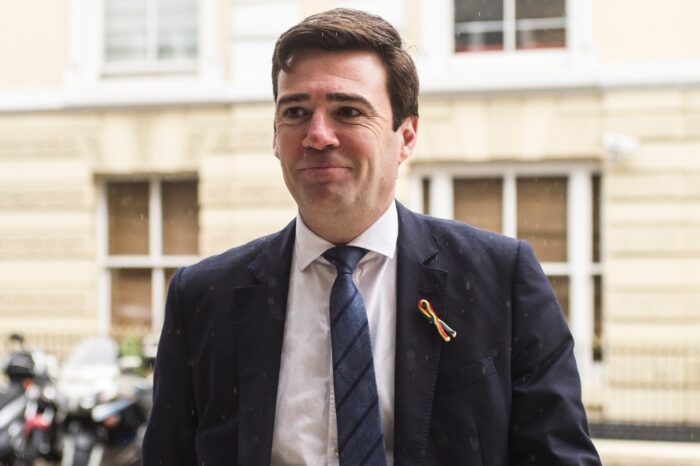
Keir Starmer announced his resignation yesterday, and it is widely expected that Andy Burnham will be elected to the leader of the Labour Party, and Prime Minister this summer.
Aegon pensions director Steven Cameron said growing scrutiny of state pension funding should prompt a wider debate about the future of the triple lock, and he urged Burnham to address this issue if he becomes the next Prime Minister.
Cameron says that the state pension remains a key part of retirement funding for millions of people, but added that policymakers need to look beyond a simple choice between retaining or abolishing the triple lock, and instead consider reforms that preserve its core aims while improving long-term affordability.
Cameron – who himself retires later this week – says: “The next Prime Minister – whether or not Andy Burnham – will inherit many pressing challenges, and on that list is the future of the State Pensions triple lock.
“While avoided by successive governments, politicians across the spectrum as well as think tanks are now increasingly questioning its long-term future and today’s political change creates the opportunity for an open and honest debate. Importantly, it’s not a simple case of keep it or scrap it – there are other options worthy of proper consideration.
“The state pension remains the bedrock of retirement income for millions of pensioners. Under the triple lock, the state pension increases each year by the highest of earnings growth, price inflation or 2.5 per cent. While remaining popular amongst pensioner voters, retaining and often boosting their purchasing power, the mathematics just aren’t sustainable in the current form over the decades ahead.”
He adds: “With an ageing population and fewer workers supporting more pensioners, the current system is already creaking at the seams and without reform, the triple lock will place an unprecedented burden on working-age taxpayers, raising serious questions around intergenerational fairness.
“Aegon has long supported an amended form of the triple lock which would retain the principle of pensioners sharing in rises in the nation’s prosperity while introducing greater stability. Recently, year on year inflation and earnings growth have been unpredictable and volatile. A fairer approach might be to provide inflation increases as a minimum with a further uplift if earnings growth has exceeded inflation over say three years.
“This would smooth out volatility, provide greater predictability for public finances and preserve fairness for pensioners. Done properly, reform could be the saviour of the triple lock’s aims rather than an end. The debate now needs leadership, honesty and a genuine commitment to finding common ground across both political parties and generations.”