
Corporate Adviser
  • Content Hubs
  • Magazine
  • Alerts
  • Events
  • Video
    • Master Trust Conference 2024 videos
  • Research & Guides
  • About
  • Contact
  • Home
  • News
  • In Depth
  • Profile
  • Pensions
    • Auto-enrolment
    • DB
    • DC
    • Defaults
    • Investment
    • Master Trusts
    • Sipps & SSAS
    • Taxation
  • Group Risk
    • Group Life
    • Group IP
    • Group CIC
    • Mental Health
    • Rehab
    • Wellbeing
  • Healthcare
    • Musculoskeletal
    • Mental Health
    • IPT
    • Wellbeing
    • Trusts
    • Cash Plans
  • Wellbeing
    • Mental Health
    • Health & Wellbeing
    • Financial resilience
  • ESG
No Result
View All Result
Corporate Adviser
No Result
View All Result

England vs Australia: pensions

by Corporate Adviser
July 20, 2015
Cricket - thumbnail
Share on FacebookShare on TwitterShare on LinkedInShare on Pinterest

In Australia, if an employee earns over a certain amount, their employer must pay 9.5 per cent into their pension (or superannuation fund as it is known in Australia). Furthermore, they employ auto-escalation, so that pension contributions increase every year. In the UK, meanwhile, the total minimum contribution that has to be paid is currently only two per cent. However, this is increasing to eight per cent, but not until 2018. What’s more, the employee has to pay the majority of that. With this responsibility to save more on employees, shouldn’t employers be making them aware that what they are saving now probably isn’t enough to get the retirement they want? Are you communicating this information to your employees?

While there has been a lot of buzz around pension freedoms, giving employees more options with their hard-earned savings, Australian employees always had the option to take out all of their savings. Now the Australian government has introduced tax incentives to dissuade employees from doing this as some have done exactly what we feared would happen here – they have blown it all and rely on the state to support them for the rest of their retirement. In fact, there have been discussions in Australia to make buying an annuity compulsory. Only time will tell which method will work best, but what is clear is that your employees need as much help as they can get to understand their options and why it is so important to save.

If you want to find out more, speak to your usual Jelf consultant or visit our website.
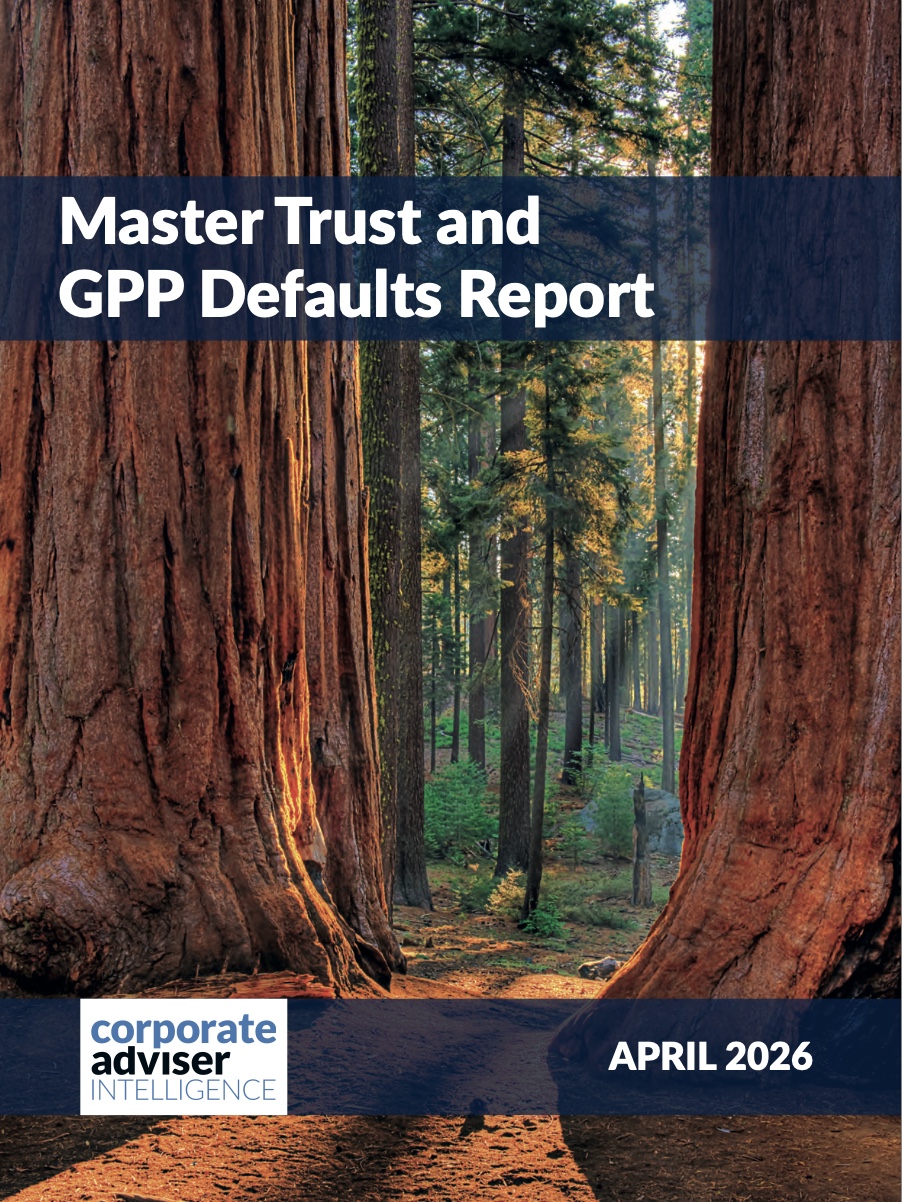
Corporate Adviser Special Report

REQUEST YOUR COPY

Most Popular

  • FCA charge cap review – performance fees, not 0.75pc

  • Govt launches consultation on evolving role of trustees

  • One in five take up L&G guided retirement journey

  • State pension age rises push 250,000 more early-60s into poverty

  • Mercer commits £350m to Schroders LTAF targeting UK private markets

  • More than a quarter unaware of pay days left before retirement: Aviva

Corporate Adviser

© 2017-2024 Definite Article Media Limited. Design by 71 Media Limited.

  • About
  • Advertise
  • Privacy policy
  • T&Cs
  • Contact

Follow Us

X
No Result
View All Result
  • Home
  • News
  • In Depth
  • Profile
  • Pensions
    • Auto-enrolment
    • DB
    • DC
    • Defaults
    • Investment
    • Master Trusts
    • Sipps & SSAS
    • Taxation
  • Group Risk
    • Group Life
    • Group IP
    • Group CIC
    • Mental Health
    • Rehab
    • Wellbeing
  • Healthcare
    • Musculoskeletal
    • Mental Health
    • IPT
    • Wellbeing
    • Trusts
    • Cash Plans
  • Wellbeing
    • Mental Health
    • Health & Wellbeing
    • Financial resilience
  • ESG

No Result
View All Result
  • Home
  • News
  • In Depth
  • Profile
  • Pensions
    • Auto-enrolment
    • DB
    • DC
    • Defaults
    • Investment
    • Master Trusts
    • Sipps & SSAS
    • Taxation
  • Group Risk
    • Group Life
    • Group IP
    • Group CIC
    • Mental Health
    • Rehab
    • Wellbeing
  • Healthcare
    • Musculoskeletal
    • Mental Health
    • IPT
    • Wellbeing
    • Trusts
    • Cash Plans
  • Wellbeing
    • Mental Health
    • Health & Wellbeing
    • Financial resilience
  • ESG

This website uses cookies. By continuing to use this website you are giving consent to cookies being used. Visit our Privacy and Cookie Policy.