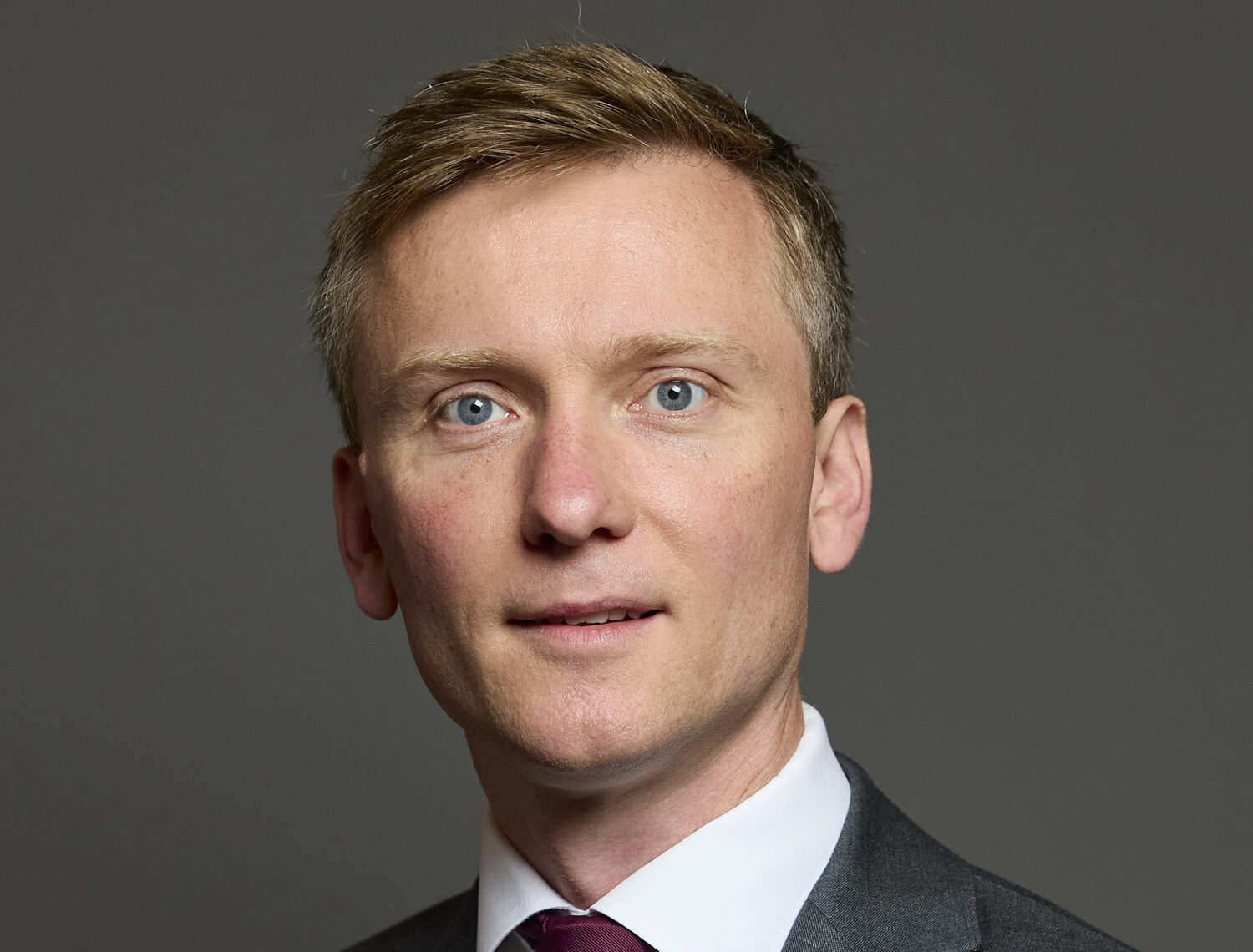
Torsten Bell, the minister for pensions has confirmed that automatic enrolment thresholds for the next tax year will remain frozen at their current levels.
This was widely expected, and was confirmed in a written statement to Parliament. This comes after the Chancellor announced in the Budget that income tax bands would continue to remain frozen until 2031.
Broadstone head of DC proposition Kelly Parsons says: “The decision to maintain the current AE earnings trigger and qualifying earnings band for another year is largely a formality and was widely expected.
“While stability and predictability for employers and savers are welcome, freezing these thresholds highlights a deeper challenge around retirement adequacy.
“Ultimately, improving outcomes will require higher contributions over time, but that is not a straightforward fix. Higher rates risk pushing lower earners to opt out altogether as households juggle competing financial pressures, while increases at the lower end of earnings often deliver only modest gains to pension pots.
“At the same time, holding the auto-enrolment thresholds steady has a quietly powerful effect, akin to fiscal drag in taxation. With the trigger remaining at £10,000 and the qualifying earnings band fixed between £6,240 and £50,270, rising wages mean more employees are brought into pension saving and contributions increase organically, even without changes to headline rates.
“However, this passive mechanism also underlines the urgent need for a broader, more deliberate approach. Improving awareness of the impact of starting late, career breaks and periods of non-saving is just as important as contribution rates, particularly for younger and lower-paid workers.
“The forthcoming work of the Pensions Commission will therefore be crucial. A credible long-term plan is needed – one that balances gradual contribution increases with clearer policy intent across the different pillars of pension provision. Without that, we risk simply storing up larger problems for future retirees and the state.”
Quilter head of retirement policy Jon Greer adds: “Automatic enrolment has been one of the most successful public policy interventions of the past two decades, and the decision to prioritise stability while the revived Pensions Commission undertakes its work is understandable. Employers and workers alike value certainty, particularly at a time when many households are still under financial pressure.
“From an employer perspective, it would have been extremely difficult to introduce meaningful changes to automatic enrolment at this stage. Businesses are already facing higher costs following the increase in employer National Insurance contributions announced in Labour’s first Budget, and the prospect of further changes to the National Insurance treatment of salary sacrifice adds to that burden. Against this backdrop, asking employers to absorb higher pension costs as well would have been challenging.
“However, freezing the thresholds should not be mistaken for standing still. As wages rise and the lower earnings limit of the qualifying earnings band remains at £6,240 , more of peoples earnings will be brought into automatic enrolment and a greater proportion of earnings will be subject to pension contributions. In effect, this creates a form of pensions fiscal drag, with contribution levels increasing arguably by default rather than through an explicit policy decision.
“Stability today is sensible, but setting out a clear roadmap for how automatic enrolment will deliver better outcomes tomorrow will be crucial to maintaining confidence in the system.”