
Corporate Adviser
  • Content Hubs
  • Magazine
  • Alerts
  • Events
  • Video
    • Master Trust Conference 2024 videos
  • Research & Guides
  • About
  • Contact
  • Home
  • News
  • In Depth
  • Profile
  • Pensions
    • Auto-enrolment
    • DB
    • DC
    • Defaults
    • Investment
    • Master Trusts
    • Sipps & SSAS
    • Taxation
  • Group Risk
    • Group Life
    • Group IP
    • Group CIC
    • Mental Health
    • Rehab
    • Wellbeing
  • Healthcare
    • Musculoskeletal
    • Mental Health
    • IPT
    • Wellbeing
    • Trusts
    • Cash Plans
  • Wellbeing
    • Mental Health
    • Health & Wellbeing
    • Financial resilience
  • ESG
No Result
View All Result
Corporate Adviser
No Result
View All Result

Almost half of companies do not have a formal health & wellbeing strategy

by Christopher Marchant
April 14, 2026
Share on FacebookShare on TwitterShare on LinkedInShare on Pinterest

More than four in ten (43 per cent) of UK companies do not have a formal health and wellbeing strategy in place, according to research by insurance firm Everywhen.

Research undertaken on behalf of Everywhen by Opinium in January among 500 HR decision makers across the UK showed that that for 18 per cent of companies, simply offering benefits is their strategy, and 13 per cent offer support on an ad-hoc basis according to need.

However, 51 per cent of UK companies do have a documented health and wellbeing strategy, which is regularly updated.

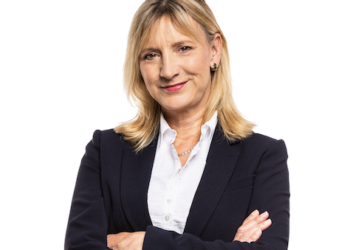
Debra Clark, head of wellbeing at Everywhen, says: “For wellbeing support to have the most impact it must be part of a strategy that considers the needs of the workforce and the objectives of the company in offering that support.”

Everywhen urged companies to have a formal and regularly reviewed health and wellbeing strategy in place, claiming that this was the best way to ensure that the employees are supported in the most effective ways and that the company sees the benefits too.

According to previous Everywhen research, the greatest concern for both mental and physical health for those in the workplace remains for employees aged 61 and over, known as the ‘Baby Boomer’ generation.
Corporate Adviser Special Report

REQUEST YOUR COPY

Most Popular

  • HMRC to finally offer a million low earners £70 pensions compensation

  • Govt set to amend Pension Schemes Bill to modify mandation powers

  • Pensions UK welcomes changes to mandation clause

  • Origen appoints head of corporate pensions

  • Royal London gets regulatory approval for targeted support

  • FOI reveals 839,000 pension tracing service enquiries in 2025

Corporate Adviser

© 2017-2024 Definite Article Media Limited. Design by 71 Media Limited.

  • About
  • Advertise
  • Privacy policy
  • T&Cs
  • Contact

Follow Us

X
No Result
View All Result
  • Home
  • News
  • In Depth
  • Profile
  • Pensions
    • Auto-enrolment
    • DB
    • DC
    • Defaults
    • Investment
    • Master Trusts
    • Sipps & SSAS
    • Taxation
  • Group Risk
    • Group Life
    • Group IP
    • Group CIC
    • Mental Health
    • Rehab
    • Wellbeing
  • Healthcare
    • Musculoskeletal
    • Mental Health
    • IPT
    • Wellbeing
    • Trusts
    • Cash Plans
  • Wellbeing
    • Mental Health
    • Health & Wellbeing
    • Financial resilience
  • ESG

No Result
View All Result
  • Home
  • News
  • In Depth
  • Profile
  • Pensions
    • Auto-enrolment
    • DB
    • DC
    • Defaults
    • Investment
    • Master Trusts
    • Sipps & SSAS
    • Taxation
  • Group Risk
    • Group Life
    • Group IP
    • Group CIC
    • Mental Health
    • Rehab
    • Wellbeing
  • Healthcare
    • Musculoskeletal
    • Mental Health
    • IPT
    • Wellbeing
    • Trusts
    • Cash Plans
  • Wellbeing
    • Mental Health
    • Health & Wellbeing
    • Financial resilience
  • ESG

This website uses cookies. By continuing to use this website you are giving consent to cookies being used. Visit our Privacy and Cookie Policy.
