

The Office of Budget Responsibility has confirmed the government will scrap unlimited salary sacrifice on pensions, limiting the maximum contribution to £2,000.
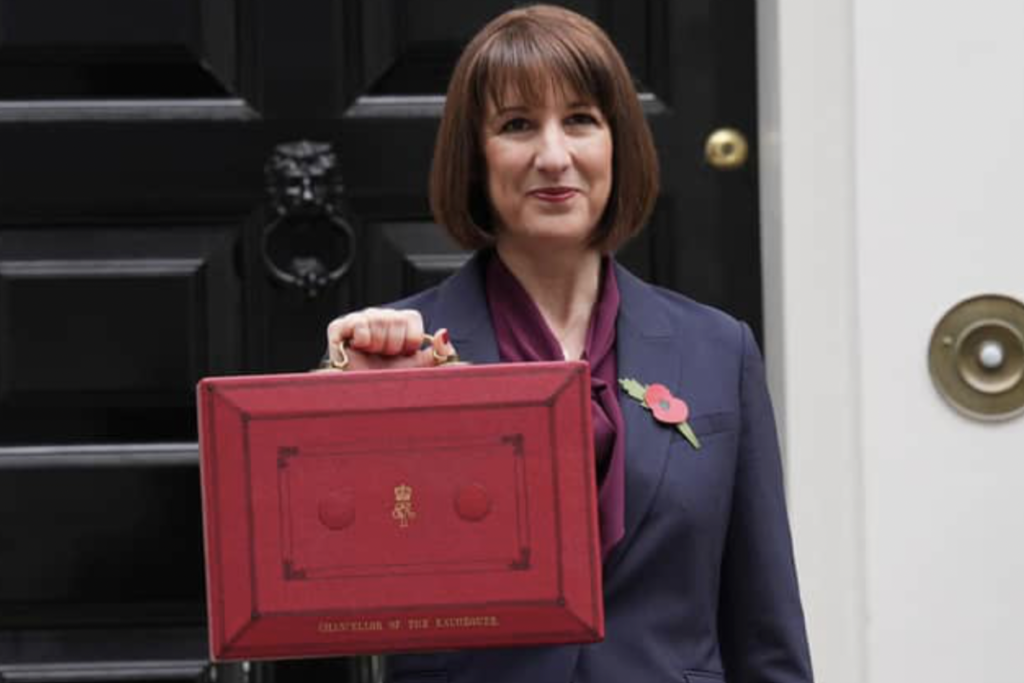
This confirmation comes ahead of the Chancellor’s Budget speech today, and was published in its official economy and financial outlook on the financial impact of the announced changes.
The changes will be implemented from April 2029, and will mean that salary-sacrificed pension contributions above £2,000 will be treated as ordinary” employee pension contributions” in the tax system and be subject to both employer and employee NICs. Employees pay NI at 8 per cent of salaries up to £50,000 and 2 per cent above this with employers paying NI at 15 per cent.
The OBR forecasts that this measure will raise an additional £4.7bn for the Treasury by 2029-30.
Commenting on the change Steve Hitchiner, Chair of the Tax Group at the Society of Pensions Professionals (SPP) says: “Abolishing salary sacrifice for pensions will affect the take home pay of millions of employees – especially basic rate taxpayers – and is a tax on working people, in spirit if not in name.
“It is also another sizeable cost to employers and, perhaps most importantly its removal will reduce pension saving.”
Mercer UK wealth strategy leader Tess Page says: “At a time when the UK savings gap is growing, restricting pension salary sacrifice schemes is likely to reduce employees’ pension pots and weaken their financial security in later life. Additionally, the timescale for implementation will create further uncertainty.
“The Government should carefully consider the long-term individual and societal consequences of these changes, especially in the context of the ongoing Pensions Commission. Unless retirement saving incentives remain effective and employers can continue to support their employees’ long-term financial wellbeing, the state will end up shouldering an even greater burden.”
Standard Life retirement savings director Mike Ambery adds: “The Chancellor’s decision to cap salary sacrifice at £2,000 a year marks a significant shift in how people can save for retirement.
“Salary sacrifice has long been one of the most efficient ways for workers to boost pension contributions, so limiting it will inevitably increase costs and reduce take-home pay for many. The surprise today is that the changes will apply only to individual’s contributions.
“This change will disproportionately affect private sector workers, as public sector schemes don’t usually use salary sacrifice. At a time when simplicity and engagement are critical to improving savings levels, adding complexity and reducing incentives risks undermining confidence in the system. It’s also vital that consideration is given to the timing of this change.
“The official papers highlight that no additional tax revenue is expected until 2029, pointing to a gradual implementation. In the meantime people will want to make use of arrangement to the full extent they’re able to. Employers will still face a considerable amount of administration to comply and will need to put thought into communication. It’s also still unclear how the mechanics of the new cap will apply when people move between employers – in all likelihood, this will add further complexity. Payroll systems will need to be updated, and employers will have to manage compliance across multiple schemes and employee movements.”
He adds: “Pension saving depends on stability and trust, and frequent policy changes make people question whether the system works for them. This change comes as the Government revives the Pensions Commission to tackle the UK’s retirement savings gap – limiting salary sacrifice could undermine efforts to improve savings adequacy at a time when millions are already undersaving for retirement. Reforms should support the goal of ensuring people can retire with financial security, not hinder it.”
Smart Pension CEO Jamie Fiveash says that this will also result in additional administration costs for employers: “Employers will feel the impact too. A cap would add cost and operational pressure at a time when many businesses already feel stretched. Changes to payroll systems or staff consultations are lengthy processes and will take time to be completed. These demands may also deter employers from offering salary sacrifice at all, given the time and legal costs involved. If employers see no value in taking this on, they will not offer it and working people will lose out on the chance to save more for their retirement.”
Howden Employee Benefits & Wellbeing managing director Cheryl Brennan: “While the cap on how much staff can pay into pensions using salary sacrifice is not an outcome of the Budget that we welcome, even with the changes announced today, employers and employees should continue to make use of what is available and implement it now, if they have not already, especially given changes won’t take effect until April 2029.
“Salary sacrifice is a powerful tool, but it remains significantly underutilised. During tough economic times, employers should pull every available lever to support employees, and salary sacrifice remains one of those levers.”