Employers and schemes must do more to engage savers and bridge the pension “intention gap.”
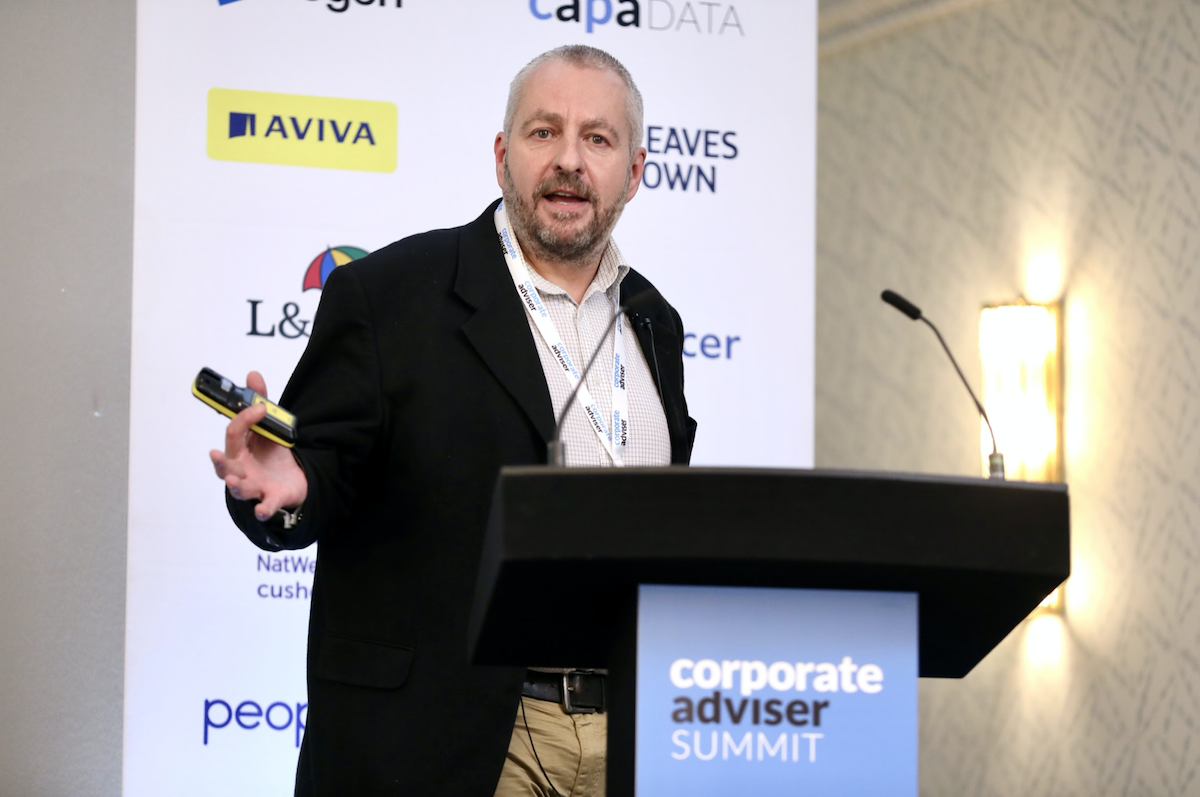
Speaking at the Corporate Adviser Summit, NatWest Cushon master trust lead David Harvey highlighted the need to increase contribution levels and make pensions more tangible for members.
Harvey noted that auto-enrolment has been largely successful, with around 90 per cent of eligible employees now enrolled. He mentioned potential reforms that could raise contributions to 12 per cent but stressed the increase would be “staged.”
He added: “No Chancellor’s going to want to bring another increase on the employer. And the other thing is, it’s going to be staged. It’s not just suddenly going to go to 12 per cent. Nobody really knows at this point, over how many years.”
Harvey noted that debate continues over the split between employer and employee contributions, with options including a 50/50 split or giving employees an opt-out while maintaining employer contributions.
According to Harvey, research of more than 200 employers shows broad support for pension adequacy but cost pressures remain a concern.
He notes: “95 per cent of employers felt that pension adequacy is very important, and 70 per cent felt that all the initiatives are also important.
“It’s going to cost us a lot of money. It’s going to lead to a massive increase in cost before you even then consider potentially increased employer contributions anyway.”
He highlighted three areas of employer uncertainty, which are private markets, mandation and perceived investment risk.
Harvey said: “The biggest issue is that employees don’t fully understand the focus on private markets and unlisted equities. They read about it and know a bit, but no one really understands what it means. Another area is mandation. Employers typically don’t understand it and media coverage has made it seem negative. There’s still a perception that investing in these areas means sacrificing returns. As an industry, we need to help employers better understand what these things actually mean.”
He emphasised the need to engage members by making pensions more tangible, using private market projects to illustrate where their money goes. He cited an early investment in a pepper farm in Bury St Edmunds, noting that members’ contributions help fund the project, which they can visit.
Harvey said that action should not be delayed until legislative reform. He said that while people want to contribute more, they often don’t, and efforts should focus on helping them move from understanding and intention to actually saving.