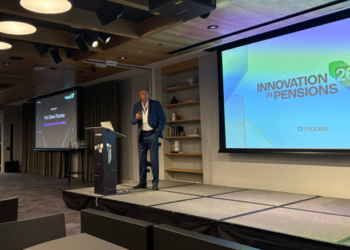
Areas such as the supposedly widening definition of materiality when it comes to updated fiduciary duty guidance for pension trustees were topics of debate at a recent Society for Pension Professionals event.
The UK government is currently committed to updating this guidance, aimed at clarifying how trustees should consider long-term investment factors and focus on members’ interests.
The SPP has claimed that the underlying principle of fiduciary duty is not being replaced, but the guidance is intended to give trustees greater clarity about what factors they can legitimately take into account when making investment decisions.
Speaking at the SPP Conference, Robin Knowles, a High Court judge who is serving extra-judicially as the chair of the DWP’s technical working group and its advisory group on fiduciary duty, says: “The new guidance has been facilitated by government, but it has been led by industry.
“Trustees are the guardians of the long term in an environment with many short-term pressures. They should have the confidence that their work will survive challenge and that the new fiduciary duty guidance should enable trustees to make the best decision, not the decision that’s least likely to be open to challenge.”
The government has pledged that the guidance will be developed in close collaboration with regulators and industry with ongoing consultation.
Andy Cork, a partner at A&O Shearman, says: “As fiduciary duty continues to evolve, it was clear from this panel discussion that the breadth of what we recognise as financially material is widening, encouraging trustees to move beyond only numbers to evaluate complex, long-term risks through a robust decision-making framework.”
The SPP has also pledged to continue to engage on the issue, including responding to the forthcoming consultation, as it seeks to ensure the final guidance provides the certainty trustees need to navigate systemic challenges.