
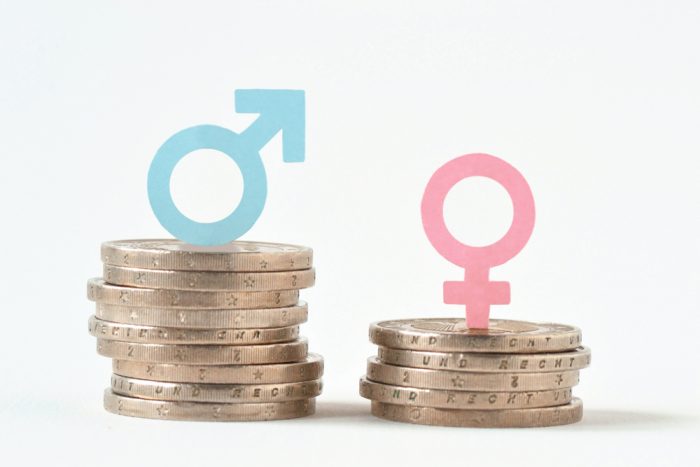

Auto-enrolment has improved workplace pension participation, but it has not closed the gender pension gap, with women continuing to face challenges related to work patterns.
That is according to the Institute for Fiscal Studies (IFS) report titled Labour market histories, life events and pension saving in the UK, which was commissioned by the Department for Work and Pensions (DWP).
The report found that women are less likely than men to spend most of their working lives in full-time employment. More are likely to move into part-time work or leave the workforce altogether due to childcare and caring responsibilities.
It notes that 77 per cent of men born between 1974 and 1988 spent most of the 15 years observed in full-time work compared with 48 per cent of women.
According to researchers, parenthood is a key driver of pension inequality, with pension contributions between men and women diverging sharply following the birth of a first child.
The report found that this widening gap is driven primarily by changes in labour market behaviour, as women are more likely to reduce hours, move into part-time work, or leave paid employment after having children, rather than choose to reduce pension saving.
Additionally, 29 per cent of women had no individual private pension wealth compared with 13 per cent of men.
The report found that while automatic enrolment has broadened access to pension saving, it cannot close the gender pension gap. It highlights childcare responsibilities, caring and women’s lower participation in full-time paid work as key drivers of poorer pension outcomes.
Broadstone head of DC proposition Kelly Parsons says: “The DWP’s research highlights the growing challenge around pension adequacy in the UK and the extent to which retirement outcomes are still heavily shaped by people’s working lives. The report shows that people with more disrupted employment patterns, lower earnings and caring responsibilities are significantly more likely to face poorer retirement incomes, with women particularly exposed to these risks.
“It underlines how periods spent out of the workforce caring for children or relatives can have a lasting impact on long-term pension saving. For example, there is a significant widening of the gender gap in pension contributions upon the birth of a first child – a divide which continues to increase over the consequent years.
“This is reflected in the stark disparities in pension wealth emerging as people approach retirement. According to the Pensions Commission, women nearing retirement currently have around half the private pension savings of men, with median pension wealth of £81,000 compared to £156,000 for men.
“Women are more likely to experience interrupted career paths, part-time working and lower lifetime earnings and, as a result, are more likely to reach later life with lower levels of private pension income and greater reliance on the State Pension or the income of their partner.
“The report also reinforces broader concerns around adequacy, with many people approaching retirement lacking confidence that they will achieve the standard of living they expect in later life. While automatic enrolment has transformed pension participation, contribution levels remain too low for many savers, especially those with interrupted or lower-paid careers.
“It is encouraging that the Pensions Commission looks set to focus on how government can reduce the gender pension gap as part of its wider review into the future of the retirement system. This demonstrates why pension policy cannot be separated from wider labour market inequalities. Without further action to support carers, lower earners and people with non-linear careers, there is a real danger that today’s working patterns continue to translate into entrenched financial inequalities in retirement.”