
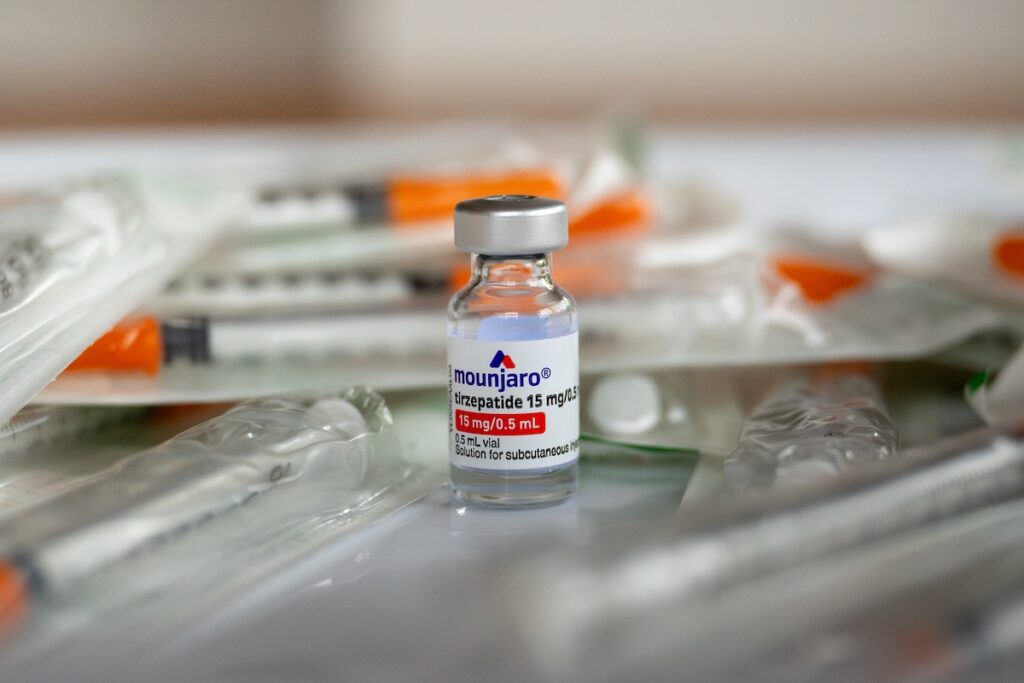

Combining GLP-1 medications with moderate exercise can improve employee health and reduce NHS spending, according to new data insights from Vitality.
According to the findings, people who take GLP-1 medication and exercise moderately, which is defined as at least 5,000 steps a day three times a week, reduce their in-hospital costs by 63 per cent within a year.
But it also found that even without exercise, GLP-1 medication alone cuts in-hospital costs by 33 per cent on average. Vitality notes that if all clinically obese adults in the UK adopted GLP-1 therapy with moderate exercise, the NHS could save up to £17bn annually.
The findings also suggest that around 13 per cent of people who exercised before starting GLP-1 stopped regular physical activity after beginning treatment and this could lead to weight regain once the drugs are stopped. Meanwhile, those who increased physical activity were more likely to maintain the weight loss after stopping the drug.
Vitality says these findings show the need for further research into the link between GLP-1 and exercise.
Vitality deputy CEO Dr Katie Tryon says: “Combining weight loss drugs with even moderate exercise could make a substantial difference to the long-term impact on a person’s health. This has the potential to not only improve patient outcomes, but also to deliver substantial savings for the NHS and health systems globally. Obesity and diabetes are a major proportion of the cost burden in our health system, but by integrating medical innovation with sustainable lifestyle changes, we can dramatically reduce this. It is essential that future guidance supports patients in changing their lifestyle when on these drugs, as maintaining healthy habits alongside treatment will ensure benefits are sustained well beyond the period of medication.”