

HMRC and the Financial Conduct Authority have issued co-ordinated statements clarifying that 30-day ‘cooling off’ cancellation rules may not apply to savers taking tax-free cash from pensions.
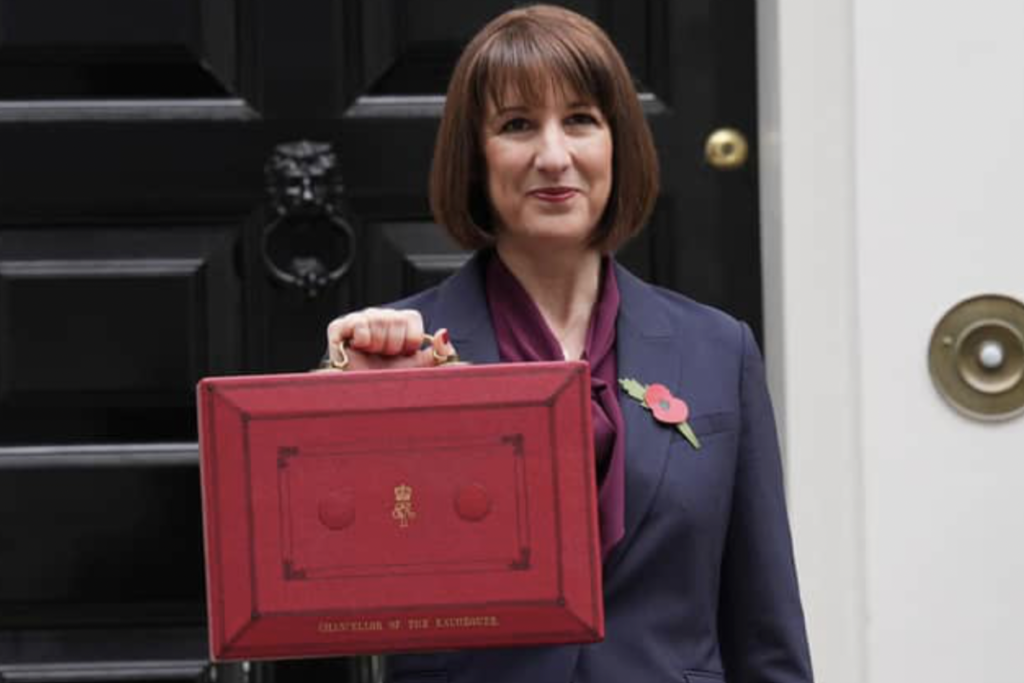
This comes amid speculation that the Chancellor will restrict the amount people can take as tax-free cash from their pensions in November’s Budget. Similar speculation last year led to a significant rise in the the number of people accessing pension pots ahead of the Budget, although no such change subsequently appeared.
There are concerns that there will be a similar surge in pension withdrawals this year, with people assuming they can ‘undo’ these transaction, under 30-day cooling off rules, if Budget changes do not transpire. But these parallel statements highlight that these rules won’t apply in many cases, and there could be tax consequences of such actions.
HMRC’s statement states that if an action has resulted in a tax consequence, and an attempt is made to reverse the action, normally the resulting tax consequences cannot be reversed.
It says: “Where a transaction falls within the FCA rules that require a cancellation right to be provided then the tax consequences can be reversed, for example the cancellation within 30 days of a contract to transfer a pension. This reversal is limited to actions that are expressly referred to in the FCA rules.”
It goes on to state that a contract allowing an individual person to take a pension commencement lump sum or uncrystallised funds pension lump sum is not listed as a cancellable contract, so cancellation rights do not generally apply to these transactions.
However it does add that this does not prevent a registered pension scheme from offering cancellation rights for the lump sum elements of cancellable contracts. But it adds: “Where pension schemes choose to do so, it is essential that they ensure customers understand that, once paid, the tax consequences of these lump sums (including any use of the individual’s lump sum allowance and lump sum death benefit allowance) will not be reversed, even if the payment is subsequently returned or cancelled.”
The FCA has also published guidance that confirms this position.
Commenting on this LCP points out that while the rules are complex, this clarifies that the decision to take money from a pension is unlikely to be covered by statutory 30-day cancellation rights.
It adds that where there is a no cancellation right, individuals will have to deal with the tax consequences of their decision, even if the provider agrees to reverse the transaction and put the money back into a pension. This is likely to mean an individual could be treated as having used up some of their lifetime lump sum limit of £268,275, even if the money has gone back into their pension.
It adds that these statements make it clear that the exact position depends on the nature of the transaction and the precise wording of the contract taken out.
LCP partner Alasdair Mayes says: “The latest statements by HMRC and the FCA are a reminder that people should think very carefully before making major financial decisions based on speculation about what might be in the Budget.
“In particular, in many cases it may be impossible to undo the tax implications of such a decision if it turns out – again – that there is no Budget change to pension tax relief. For example, people who try to reverse their decision after a Budget may find that they have irreversibly used up some of their lifetime limit of tax-free lump sums.”
Figures published recently by the FCA show that over 25,000 people accessed pots worth £250,000 or more in the six months to September 2024. This was an increase of more than 50 per cent on the same period a year earlier. LCP says it seems “highly likely” that many people did so in anticipation of the potential capping or scrapping of the right to take 25 per cent of a pension in the form of a tax-free lump sum — known formally as a ‘Pension Commencement Lump Sum’.