The next challenge for DC pension providers is solving what economist Professor William Sharp described as “the nastiest, hardest problem in finance” — delivering sustainable income solutions for members.
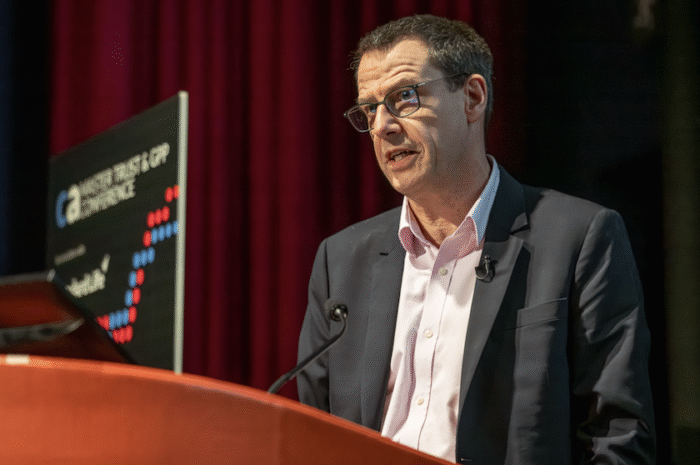
This was the theme of a presentation by Aviva policy manager Dale Critchley at Corporate Adviser’s Master Trust conference, which gave more detail on what Aviva was looking to offer as its new default retirement income solution.
Initially Critchley set out the core decumulation challenge: with significant number of DC seers currently either encashing their pensions in full or taking drawdown rates above 8 per cent.
He added that while many say they want a guaranteed income, savers typically buy annuities when they retire because of its inflexibility. He pointed that understanding behavioural economics is key here, with many this decision driven by a fear they will “lose out” should they die early.
New legislation will place explicit obligations on trustees and providers to offer default income solutions to members who don’t make active decisions about their retirement.
He gave more details about Aviva’s proposed “flex then fix” option which will be its default offering. He says the company is exploring targeted support and AI options to group retirees into a number of lower, medium and higher risk cohorts, and this will affect the level of risk taken with investment in the initial drawdown stage, the level of withdrawal recommended, and the age at which they will be guided towards an annuity.
He said there may be a number of cohorts but current thinking was that ‘medium risk’ pension savers would typically have pension savings of between £60,000 and £250,000.
Critchley stressed they even when moving shifting into an annuity this would involve contacting members, and stating that unless they indicate otherwise this will be the course of action. “People won’t suddenly be in receipt of an annuity or pension income they did not know about,” he said.
He said communications will suggest that the default pathway selected is designed for those who want a regular income, but don’t know how to provide it. He also challenged the industry not to see this as a last resort for disengaged savers but to be a central feature of scheme quality.
Critchley drew parallels with the design of accumulation defaults which have delivered good returns for members who have not made active investment decisions.
He stressed this is still all in its infancy stage and Aviva is working with new AI technology will models the decisions of ‘real people’ to see how these options and targeted support might work in practice. He said this will allow designers to test how different member archetypes behave under various strategies.
He added that while some may suggest those least able to tolerate risk should be defaulted into an annuity at the earliest opportunity there is risk with this. “Behavioural economics will suggest that many will not want to do that at this stage and will engage, but only to encash their pension fund in full, which is what we see happening at the moment.”