Closing the gender pension gap is a collective responsibility that affects everyone and requires action to ensure women achieve equal retirement outcomes.
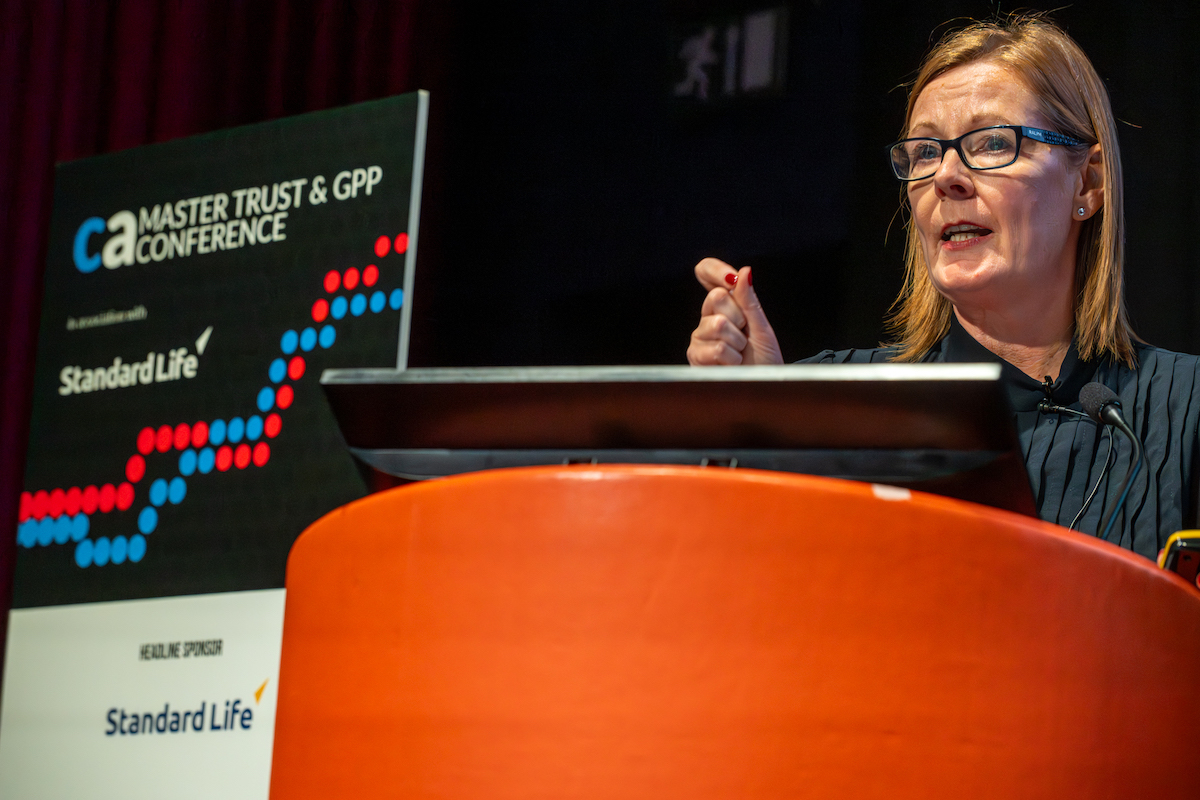
Speaking at the Corporate Adviser Master Trust Conference, Scottish Widows’ head of research, Susan Hope, presented updated research showing that women continue to retire with significantly less than men.
According to the research, in 2025, the average projected retirement income is £19,000 for men and £13,000 for women. Only 25 per cent of women are on track for a comfortable retirement, with 36 per cent expected to meet a minimum standard of income.
Career interruptions remain the largest factor widening the gap. Hope noted that half of women have taken a career break compared with 20 per cent of men, with 36 per cent of women taking time out for childcare. Many fail to plan financially for these breaks, leaving 51 per cent struggling during their time away from work.
She asked: “How do we give the women the information that they need to understand the impact of their career break in pounds and pence?”
Scottish Widows has developed a career break modeller within its app to address this and quantify the impact of career interruptions, giving women actionable insights into their retirement planning.
Hope also highlighted that 60 per cent of women do not know who will manage their retirement savings in retirement.
She stressed that early digital engagement is critical to equip women with the knowledge and tools they need, noting: “These women really are ready to take control of their futures digitally. They don’t necessarily need an adviser but they do need to be engaged.”
Scottish Widows provides bite-sized, accessible content aimed at younger cohorts to support planning for career breaks.
Additionally, among women over 55, 82 per cent own a home either alone or jointly. Hope pointed out that understanding the potential of home equity to supplement retirement income could help close the gap.
She added: “We need to give women the tools to understand their bigger picture and to understand what levers they can potentially pull to close their own personal gender pension gap.”
Hope advocated for expanding automatic enrolment to younger employees to add four years of contributions and close half the early-career pension gap, providing flexible savings, career break planning, and joint-life annuities through employers and trustees and empowering women with tools to understand the long-term impact of career and financial decisions.
She emphasised: “If we’re going to be the generation that closes the gender pension gap, it is going to take top-tier collaboration.”
Hope said the research shows that closing the gender pension gap requires coordinated action from government, employers and individuals and without early intervention, women’s retirement disparities and long-term financial insecurity are likely to persist.