

Industry trade body Pensions UK has called on the government to conduct a full review of the general levy framework before enacting increases in the costs faced by pension schemes and providers.
The general levy is enacted on pension schemes and is intended to help fund the work of The Pensions Regulator, the Money and Pensions Service and the Pensions Ombudsman, all of which provide regulation, guidance and dispute resolution services in support of schemes, employers and savers.
Responding to a Department for Work and Pensions’ consultation on raising the levy, Pensions UK said it recognises the need to address a deficit and ensure the long-term sustainability of levy-funded bodies. However, it also claimed that the current framework has not kept pace with major changes in the pensions market and would impose significant additional costs on pension schemes and providers at a time when the industry is already managing a substantial programme of regulatory reform and market change.
Pensions minister Torsten Bell has previously claimed a “structural funding gap” in the levy.
The total general levy income has increased from £43.5m in 2018/19 to £98.4m in 2025/26 – a rise of 126 per cent. The consultation also proposes further increases in levy rates for all scheme types from 2027 to 2030, including higher increases for master trusts and personal pensions.
For the largest master trusts, the general levy is currently 86p yearly per member. Yet under the auto-enrolment charge cap, a provider charging solely on assets could collect no more than 75p a year from a member with a £100 deferred pot. This means that the general levy alone can cost the scheme more for that small-pot member than the maximum annual percentage charge it can levy on them.
The July 2026 consultation also proposes increasing the rate for master trusts with more than 500,000 members such as Nest and People’s Pension to 94p in 2027/28, £1.02 in 2028/29 and £1.11 in 2029/30.
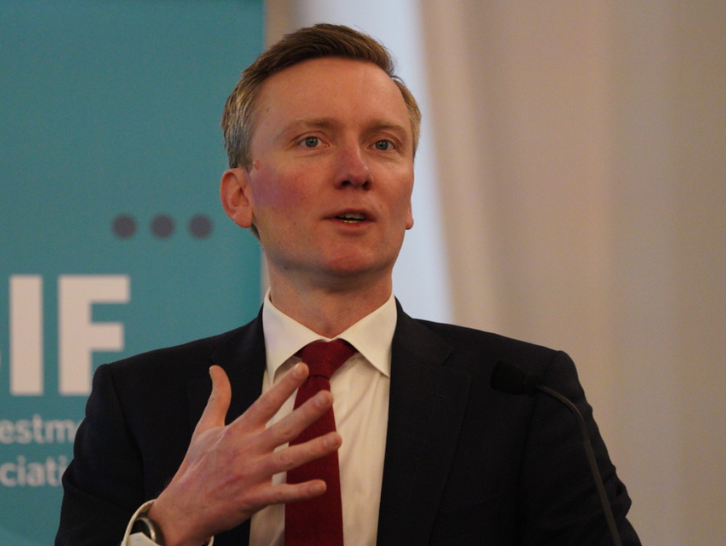
Julian Mund, chief executive of Pensions UK, says: “Without greater transparency and a clear evidence base, there is a risk that further increases to the general levy could place disproportionate costs on some schemes and savers and distort value for money assessments.
“The pensions market has changed significantly, particularly with the growth of defined contribution saving. Yet the general levy framework has not been subject to the full structural review industry has been calling for. Government should not make significant changes to who pays what before answering the more fundamental questions about what the levy funds.”
Previously, Tom McPhail, a governor at the Pensions Policy Institute, has claimed that retirement savers are being unfairly targeted by the “hidden costs” of rising administration charges directly linked to the unnecessarily high cost of regulating the industry.