

Pension Protection Fund said the aggregate surplus of schemes in its 7800 Index fell by £5.3bn in April 2026 to £258.5bn.
The funding ratio slipped 0.2 percentage points to 131.2 per cent, while the number of schemes in surplus fell by 25 to 3,790, representing 78.3 per cent of the 4,838 schemes in the index.
The aggregate surplus remains £53.3bn higher than a year earlier, when schemes held a combined surplus of £205.2bn.
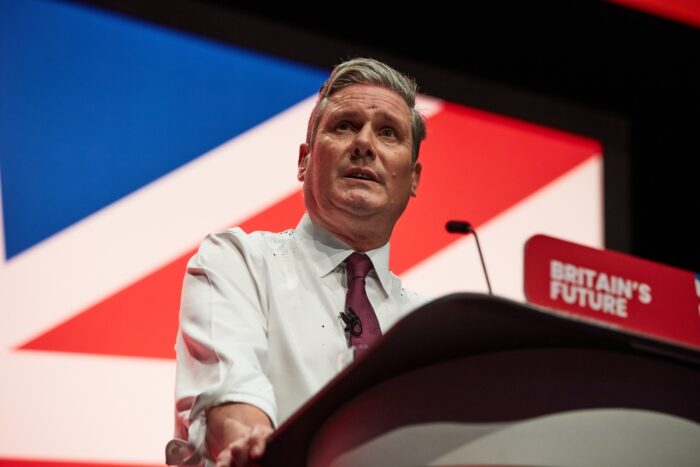
The dip comes as bond markets have faced fresh volatility in recent weeks, with gilt yields fluctuating amid wider macroeconomic uncertainty and political speculation surrounding the future of Prime Minister Keir Starmer.
Broadstone actuarial director Sarah Elwine says: “Pension scheme funding dropped back in April as continued market volatility and inflation expectations support elevated bond yields. With the conflict in Iran seeming unlikely to end imminently and domestic political uncertainty lingering in the UK, trustees must once more deal with a challenging macro environment.
“This could impact pension schemes that do not have a matched strategy in place, and so trustees and scheme managers should continue to monitor their investment strategy to protect their long-term objectives and support their members.
“However, pension scheme funding remains in a healthy position with the aggregate surplus significantly higher compared to last year. Alongside the passing of the Pension Schemes Act, it highlights the fact that many trustees still have optionality and the insurance market continues to quote for new business for schemes looking to secure their members’ benefits.”
Hargreaves Lansdown investment strategy director Anna Macdonald says: “The UK’s bond markets are weaker today across the curve, on continued political uncertainty which is compounded by President Trump’s comments on a deal with Iran, where he described the ceasefire as on ‘life support’. Elevated oil prices add inflationary pressure to a bond market already frazzled by concerns that a different UK Prime Minister might take a different view on borrowing, relaxing fiscal rules or extending them, and may introduce more legislation that the market would view as potentially damaging to economic growth. This would mean that investors, of which 25-30% are overseas buyers of UK government bonds, demand a higher risk premium.”
Standard Life MD for Pensions Risk Transfer and Individual Retirement Claire Altman says: “While aggregate funding levels have fallen slightly, the latest PPF 7800 Index figures show that overall surpluses remain robust across UK defined benefit schemes. Against this backdrop, The Pensions Regulator’s latest Annual Funding Statement highlights a shift in focus from deficit repair to endgame planning, as more trustees consider how and when to secure long-term outcomes
“While run-on may be appropriate for some larger schemes, it brings greater governance demands and risk. In addition, the slight fall in funding levels seen over the last two months is a reminder that surpluses are not locked in and can shift as market conditions change. This means that for many trustees, established approaches such as buy-ins and longevity hedging will remain central as they weigh up their options.”