
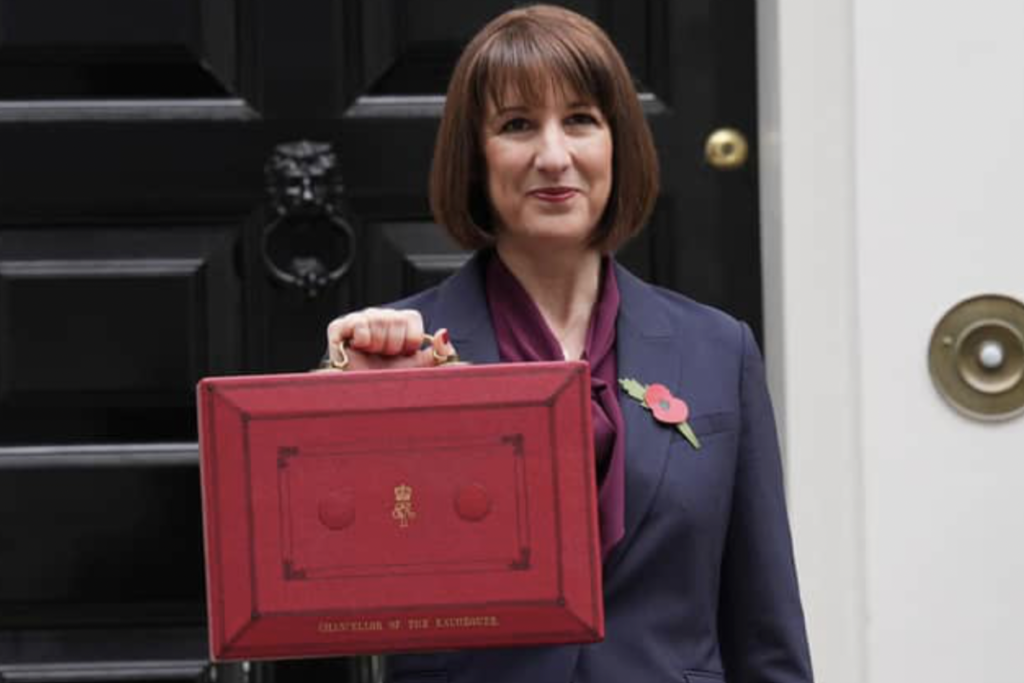

Rachel Reeves exited her position as Chancellor of the Exchequer as part of incoming prime minister Andy Burham’s shuffled Cabinet, while Torsten Bell and Pat McFadden were kept in their positions as pensions minister and secretary of state for work and pensions respectively.
Reeves has been replaced in the Chancellor role by John Healey, who had been minister for defence in previous prime minister Keir Starmer’s Cabinet, before resigning with claims the department was being underfunded.
Healey was also financial secretary to the Treasury from 2005 to 2007 under then prime minister Tony Blair.
Anna Macdonald, investment strategy director at Hargreaves Lansdown, says: “Healey’s appointment as Chancellor brings valuable experience and a degree of continuity at an important moment. Having served in the Treasury before, he will be seen as a relatively safe pair of hands, but both markets and households will now be looking for greater detail in the days ahead and, ultimately, at the Budget.
In her two years as Chancellor, Reeves oversaw significant legislative pushes to overhaul the investment approaches of UK investment funds. This included the 2025 Mansion House Accord, in which signatories aimed to invest at least 10 per cent of their DC default funds in private markets, with at least half of that invested in UK private markets.
As part of the Pension Schemes Bill, government power to mandate such investment approaches became law.
Bell had been considered as an outside bet for the Chancellor position following Starmer’s resignation, and is still widely regarded as a rising star within the Labour Party.
McFadden has recently faced controversy when, as part of the Mandelson files, it was revealed that he had claimed “every meeting I have is “who can we tax in order to pay benefits to others.” As part of the same files, Bell referred to his role as pensions minister as “safe politically.”