
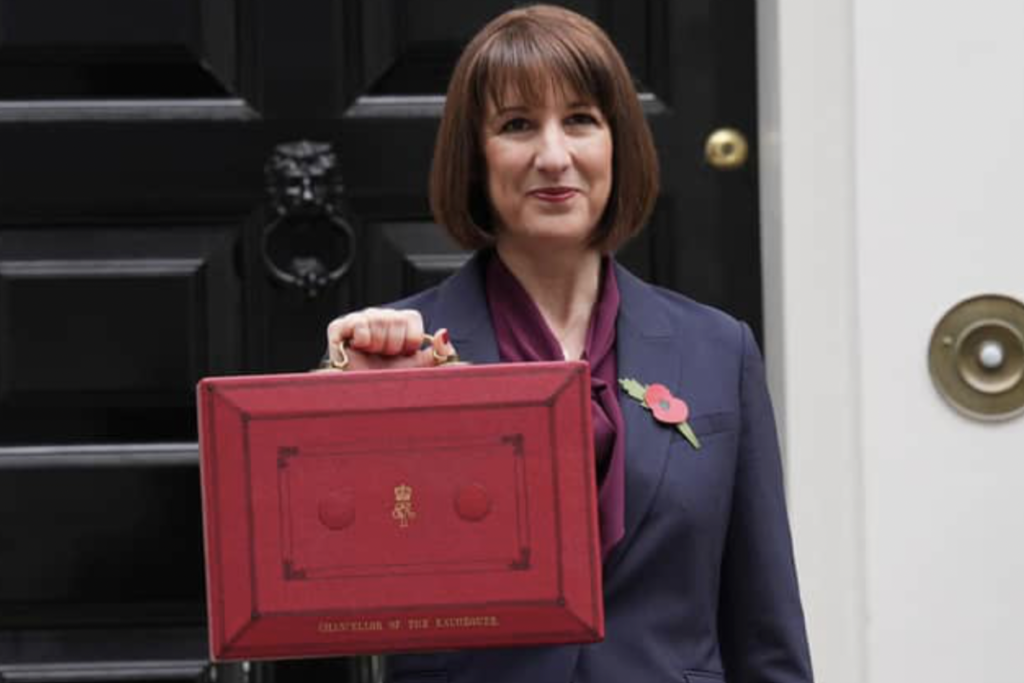

Chancellor Rachel Reeves has set 26 November for her second Budget amid speculation over potential changes to taxes, pensions and investment incentives.
Last year, the Budget introduced £36 billion a year in tax rises, including bringing pensions into inheritance tax, raising capital gains tax rates, curbing IHT relief for farmers and hiking National Insurance for employers.
AJ Bell director of public policy Tom Selby says the government wants to get more people investing however, the current ISA system is confusing. Most savers stick to either a cash ISA or a stocks & shares ISA, rather than using both.
He explains: “Combining them into a single ISA would make it easier to use, unlock around £100 billion for long-term investing, and encourage more UK investment.”
Selby also warns that uncertainty over tax relief and tax-free cash continues to worry savers. He suggests the Chancellor could give people peace of mind with a “Pensions Tax Lock,” promising not to change these rules for the rest of this Parliament.
He adds: “It would remove a major source of uncertainty and help people plan for retirement with confidence.”
Meanwhile, AJ Bell head of investment analysis Laith Khalaf says inheritance tax and capital gains tax remain potential ways for the government to raise money. However, higher capital gains tax rates could discourage investment, delay asset sales and encourage tax planning.
Khalaf also notes that extending the freeze on income tax thresholds or introducing a wealth tax for the very richest is possible but both options face practical and political challenges.
He explains: “Part of the problem rests in which assets to include. Family homes, pensions and private businesses aren’t always easy to value, and can’t easily be turned into cash to pay taxes.
“However, excluding certain assets from a wealth tax clearly creates a loophole and a strong incentive to store wealth in anything that’s not subject to the tax. A wealth tax may also be counter-productive by encouraging rich individuals to relocate elsewhere, taking their tax revenues and economic contribution with them.”
He adds that a mansion tax, a proposed annual levy on high-value properties, is still speculative and could disrupt the housing market and spark public concern.
He says: “A ‘mansion tax’, for instance, would likely be hugely unpopular even if it is set at a high enough level to preclude most taxpayers from paying it.”
Additionally, AJ Bell head of financial analysis Danni Hewson notes that higher gambling duties could fund social projects but risk pushing customers toward unregulated betting.
She says: “Taxing gambling companies on their mega profits might look like an easy win, but heavy taxation could shrink anticipated revenues and impact research, treatment for problem gambling, and sports sponsorship.”
Hewson also warns that higher bank taxes could limit lending to businesses and households, potentially slowing economic growth.
AJ Bell says major changes to pension tax relief are unlikely, with most savers still able to take 25 per cent tax-free from age 55 and that significant changes could impact retirement confidence.