
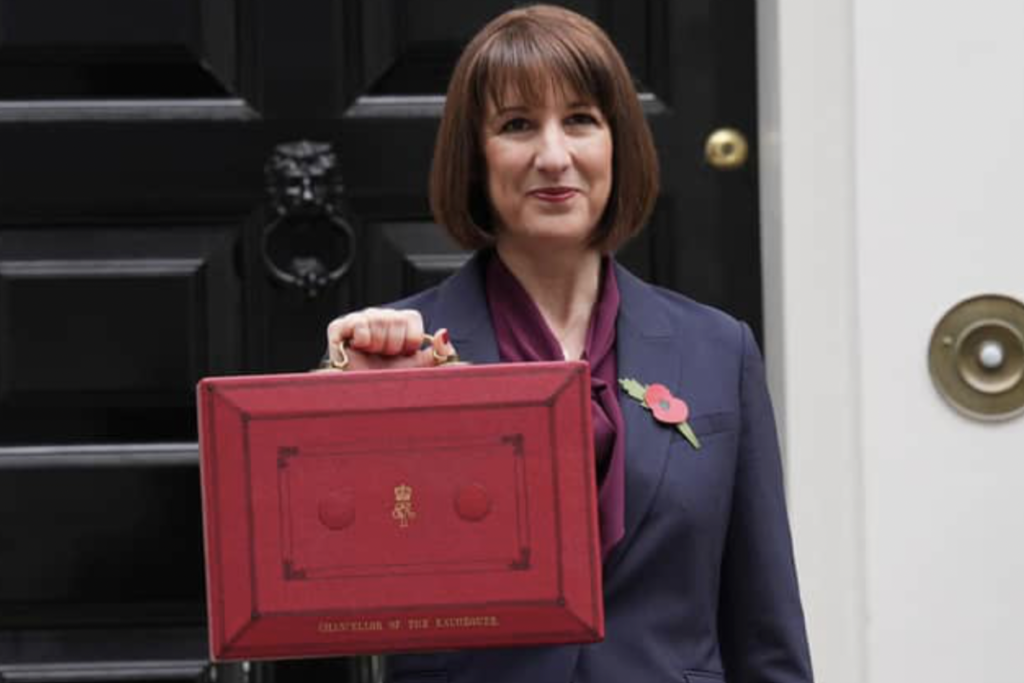

Chancellor Rachel Reeves delivered an upbeat Spring Statement, claiming the government’s economic plan is working, despite wider geopolitical uncertainties and domestic challenges.
The statement updated Parliament on the latest OBR forecasts, which showed GDP growth slowing this year, when compared to its previous calculations, but then increasing at a faster rate in 2027 and 2028.
The OBR is forecasts GDP growth to stand at 1.1 per cent in 2026, rising to 1.6 per cent in both 2027 and 2028, then falling back to 1.5 per cent in 2029 and 2030. Reeves says that average growth over the forecast period as a result remains unchanged.
The statement comes as Labour faces political pressure from both sides of the political spectrum, with Reform leading in the opinion polls and the Green Party winning the recent by-election in Manchester. Reeves used the statement to contrast economic decisions with policy positions held by both parties.
Reeves highlighted lower borrowing figures, and stressed that lower interest rates, falling inflation and a series of Government policy announcements, for example on the energy price cap, have helped to lower the cost of living for many families.
As anticipated the speech did not contain any significant fiscal announcements, although it the accompanying documents reaffirmed benefit upratings for the year ahead, confirming that a the full new state pension will rise by 4.8 per cent from April to £241.30 per week (£12,547 annually).
Hymans Robertson head of capital markets Chris Arcari says: “Today’s update from the Chancellor shows that UK borrowing has come in a little lower than expected so far this year, giving her some short‑term breathing space.
“However, this improvement is largely driven by lower debt‑interest costs rather than any meaningful easing in the underlying fiscal pressures. Spending remains elevated, once interest is stripped out, and revenues continue to disappoint. With further policy commitments building, the outlook for public finances later in the decade remains fragile.”
Acari adds: “The impact of the developing situation in the Middle East might complicate the picture further. The Chancellor may have to weigh the cost of any potential fiscal intervention to shield UK households and businesses from the worst effects of price rises should the situation persist.”
Mike Ambery, retirement savings director at Standard Life adds : “The Chancellor has remained true to the Government’s commitment to one major fiscal event each year, and today’s Spring Statement has proved to be more of an economic update than a platform for new policy. Following last November’s Budget – one of the Government’s set-piece moments – this was a low-key event, especially for pensions.”
He adds: “A combination of pressure on the public purse and a commitment to firm fiscal rules mean attention will inevitably shift to the next Autumn Budget. For pension policy a notable feature of this Statement has been what was not announced. One welcome aspect has been the absence of speculation around pension reliefs and allowances or talk of structural reform. Over the past two years, repeated conjecture about potential changes has not helped people’s confidence and trust in long-term saving. Stability matters, and avoiding another cycle of uncertainty later this year would be welcome for both individuals and employers planning ahead.”