
Corporate Adviser
  • Content Hubs
  • Magazine
  • Alerts
  • Events
  • Video
    • Master Trust Conference 2024 videos
  • Research & Guides
  • About
  • Contact
  • Home
  • News
  • In Depth
  • Profile
  • Pensions
    • Auto-enrolment
    • DB
    • DC
    • Defaults
    • Investment
    • Master Trusts
    • Sipps & SSAS
    • Taxation
  • Group Risk
    • Group Life
    • Group IP
    • Group CIC
    • Mental Health
    • Rehab
    • Wellbeing
  • Healthcare
    • Musculoskeletal
    • Mental Health
    • IPT
    • Wellbeing
    • Trusts
    • Cash Plans
  • Wellbeing
    • Mental Health
    • Health & Wellbeing
    • Financial resilience
  • ESG
No Result
View All Result
Corporate Adviser
No Result
View All Result

Self-pay and insured medical admissions fall despite rising NHS waiting lists

by John Greenwood
December 28, 2022
Medical - thumbnail
Share on FacebookShare on TwitterShare on LinkedInShare on Pinterest

Both self-pay and insured admissions fell in Q2 2022, despite growth in NHS waiting lists accelerating, according to figures from Broadstone.

Self-pay admissions in Q2 2022 stood at 134 per cent of their 2019 level, down from 136 per cent in the previous quarter. Meanwhile, insured admissions are 88 per cent of their 2019 level, down from 89 per cent previously.

In real terms, self-pay admissions dropped slightly to 67,000 in Q2 2022, from 68,000 in Q1, in the first sign that the cost-of-living crisis is starting to impact the ability of people to fund their own private medical treatment albeit levels are still significantly higher than in 2019, when there were 50,000 admissions per quarter.

Brett Hill, head of health & protection at Broadstone says: “The noticeable “Insurance Gap” that has been growing in the wake of the pandemic narrowed this month, but for all the wrong reasons.

“We are now starting to see self-pay treatments drop off as household savings accumulated during the pandemic are eroded by the rising cost of living, including higher mortgage rates. The self-pay demographic tends to be wealthier so we might expect sustained demand for self-pay given the inexorable rise in NHS waiting lists.”
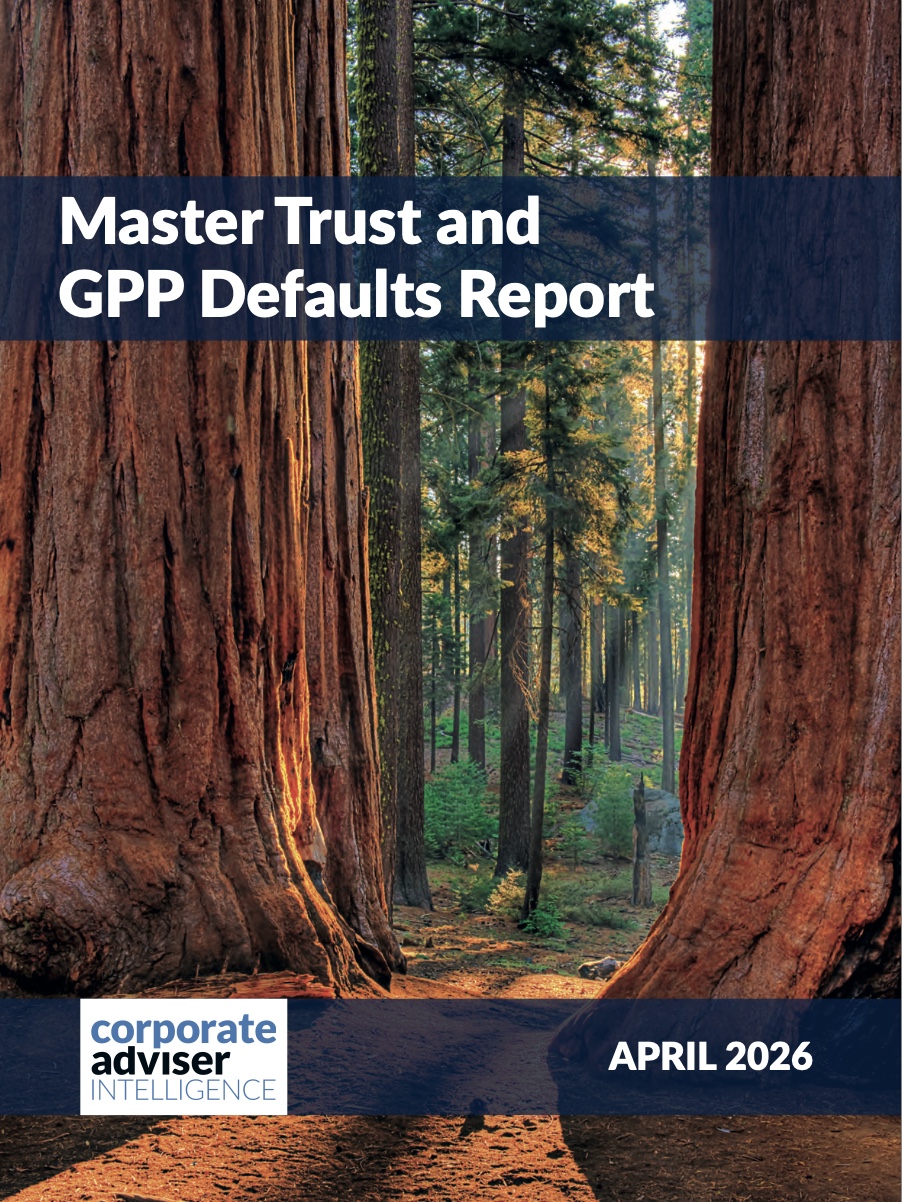

Corporate Adviser Special Report

REQUEST YOUR COPY

Most Popular

  • Gallagher acquires First Actuarial

  • WTW poised to snap up NatWest Cushon

  • Govt to introduce legislation to widen definition of fiduciary duty

  • Howden appoints CFO

  • People’s Pension appoints Robeco to manage £3.6bn emerging markets portfolio

  • Hargreaves Lansdown appoints chief product officer

Corporate Adviser

© 2017-2024 Definite Article Media Limited. Design by 71 Media Limited.

  • About
  • Advertise
  • Privacy policy
  • T&Cs
  • Contact

Follow Us

X
No Result
View All Result
  • Home
  • News
  • In Depth
  • Profile
  • Pensions
    • Auto-enrolment
    • DB
    • DC
    • Defaults
    • Investment
    • Master Trusts
    • Sipps & SSAS
    • Taxation
  • Group Risk
    • Group Life
    • Group IP
    • Group CIC
    • Mental Health
    • Rehab
    • Wellbeing
  • Healthcare
    • Musculoskeletal
    • Mental Health
    • IPT
    • Wellbeing
    • Trusts
    • Cash Plans
  • Wellbeing
    • Mental Health
    • Health & Wellbeing
    • Financial resilience
  • ESG

No Result
View All Result
  • Home
  • News
  • In Depth
  • Profile
  • Pensions
    • Auto-enrolment
    • DB
    • DC
    • Defaults
    • Investment
    • Master Trusts
    • Sipps & SSAS
    • Taxation
  • Group Risk
    • Group Life
    • Group IP
    • Group CIC
    • Mental Health
    • Rehab
    • Wellbeing
  • Healthcare
    • Musculoskeletal
    • Mental Health
    • IPT
    • Wellbeing
    • Trusts
    • Cash Plans
  • Wellbeing
    • Mental Health
    • Health & Wellbeing
    • Financial resilience
  • ESG

This website uses cookies. By continuing to use this website you are giving consent to cookies being used. Visit our Privacy and Cookie Policy.