The Labour majority in the House of Commons has pushed through its proposed changes to salary sacrifice, after the legislation had returned to the chamber following proposed changes in the House of Lords.
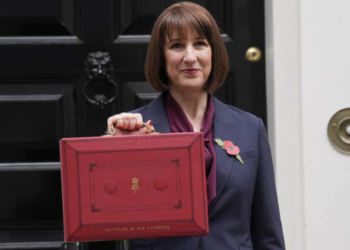
Chancellor of the Exchequer Rachel Reeves has proposed to limit national insurance saving for employees and employers from salary sacrifice for pensions contributions to the first £2,000 a year sacrificed from April 2029.
The proposed Lords amendments had included raising the cap to £5,000 and excluding basic rate taxpayers from the measure. With these amendments excluded, the legislation passed by 279 to 167 in the Commons, and the House will assess any remaining amendments before the bill receives royal assent and becomes law.
Reeves has previously defended changes to salary sacrifice as a “pragmatic step”, with projections that the current rules could cost the Treasury £8bn annually by 2030.
Both Conservatives and Liberal Democrats opposed the bill, with Lib Dem leader Ed Davey among those voting against it in the Commons.
Alasdair Mayes, partner and pensions tax specialist at Lane Clark & Peacock, says: “Whittling away at the tax incentives for pensions savings, whether through applying inheritance tax to pension savings or reducing tax relief risks creating another generation with insufficient savings. This will store up problems for future governments.”
Analysis by LCP showed that the impact of the proposed £2,000 cap on someone earning £33,000 a year could be more than that on someone earning £66,000. Furthermore, the impact on someone earning £50,000 a year could be more than that one someone earning £130,000.