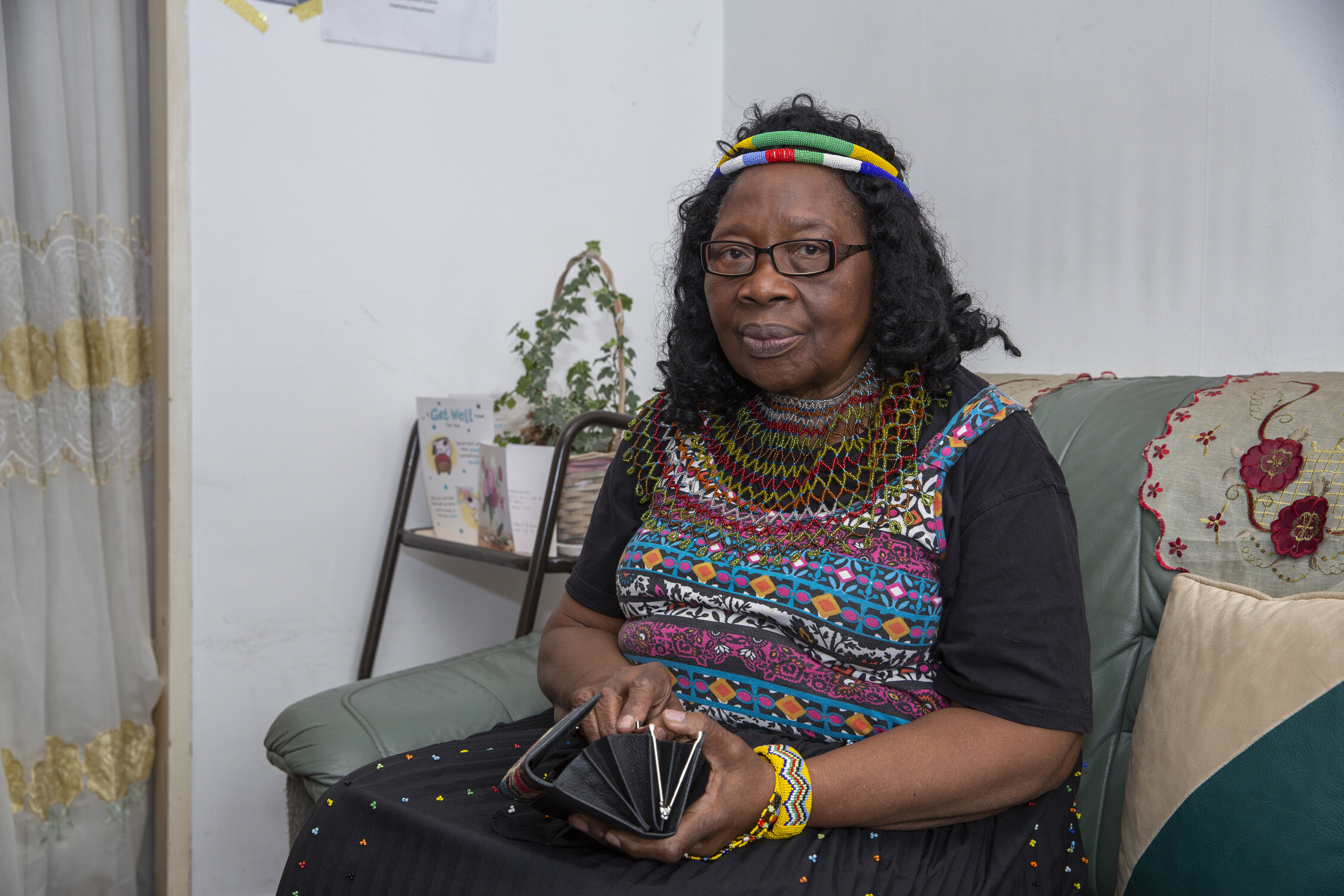
More than one in four people in England their 60s are living in financially precarious circumstances and their numbers are set to grow significantly to over 2 million by 2035.
The ‘Tale of Two 60s’ report from the Centre for Ageing Better estimated that there are currently around 1.8 million financially insecure people in their 60s in England, a number that has grown by around 200,000 in the past 20 years and is set to grow even faster over the next decade.
This number represents more than a quarter (29 per cent) of those within the age range.
The report also showed that certain characteristics make it much more likely for some to be financially insecure in their 60s including women, single, carers, people in poor health and racial minorities.
Experiencing sudden shocks later in life such as business failure, ill-health, relationship breakdown, moving back to the UK from overseas and costly home repairs, were also identified as a common feature for those in financial insecurity in their 60s.
The Centre for Ageing Better warned that current government policy to encourage people to work longer was having a negative impact on the financially insecure in their 60s, and that urgent interventions were needed to tackle the issue.
Henry Allingham, research and evaluation manager at the Centre for Ageing Better, says: “Our research challenges the perception that people in their 60s are generally financially secure and approaching retirement from a stable position. Instead, a significant minority are living with insecurity and are highly vulnerable to changes in their circumstances.”
The report also highlighted how the population in this age group has grown by almost 40 per cent in 20 years – from 4.6 million in 2003 to 6.4 million in 2023. It is projected to grow by a further 13 per cent to 7.2 million by 2033. According to previous ONS research, the 60-69 age group is projected to have the greatest increase in economic activity rates up to the year 2067.