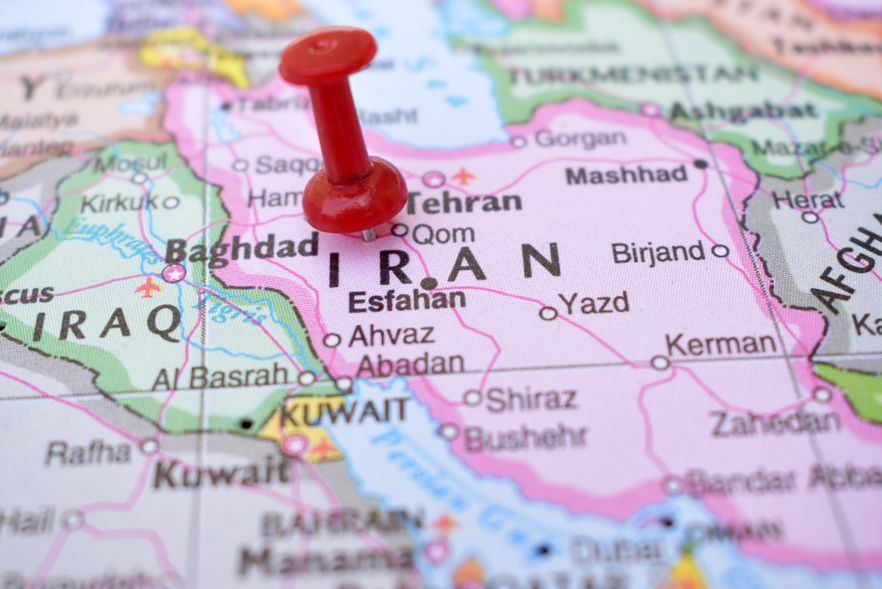
Asset managers around the world are keeping a close eye on developing events in the Middle East, as US and Israeli strikes on Iran have already spiked global volatility.
A series of strikes into Iran hit both military targets and civilian infrastructure such as schools, and killed longtime leader of the nation Ali Khamenei.
Since the strikes, U.S. crude oil prices have jumped 8 per cent, while U.S. stock futures are down about 1 per cent and European shares down about 2 per cent.
According to an assessment by US asset manager BlackRock, the developments in Iran are being shaped by “three core variables”, namely the duration of hostilities, the degree of disruption to energy transit, and the political end-state (i.e. will the death of Khamenei lead to civil war and disruption in Iran as the 2011 death of Muammar Gaddafi did in Libya).
Stephen Dover, chief investment strategist at the Franklin Templeton Institute, says: “No consensus on “post–Islamic Republic Iran” is a real complication: Even if pressure on the regime mounts, there’s no clear, widely legitimate successor coalition—raising the probability of fragmentation and governance gaps.”
The conflict, which has currently led to the closing of shipping lane the Strait of Hormuz, could lead to an energy crisis in a similar vein to that which engulfed Europe following the Russian invasion of Ukraine in 2022.
Brent crude is trading around $80 per barrel, with more than 150 tankers now anchored offshore amid sharply reduced traffic through Hormuz.
Anthony Willis, senior economist at asset manager Columbia Threadneedle Investments, says: “Rising oil prices will likely amplify inflation risks across developed economies just as fresh CPI releases begin to shape interest rate expectations.
“Higher energy costs may also threaten the disinflation trend seen across several markets and could place renewed pressure on central banks to reassess the timing and scale of rate cuts.”
Typical safe haven assets such as US sovereign bonds and gold are yet to raise sharply, with inflation concerns still persisting in the bonds market, and much of gold’s rise already factored in following the Russian invasion of Ukraine.
Lindsay James, investment strategist at advisory firm Quilter, also sees the events as caused by internal politics within the US, which may also show pointers towards the end of the conflict.
She says: “Psychologically, Donald Trump’s recent weak polling heading into the mid-terms combined with the recent clipping of his wings by the Supreme Court in their verdict against emergency use of tariffs is likely to have been a factor in his decision to strike now. With voters likely to react negatively to a longer campaign in Iran, a relatively ‘quick win’ is likely to be sought.
“Ultimately therefore calm should prevail in markets before too long, even if a period of volatility may now be in store.”
Heather Coulson, head of portfolio management and implementation at Scottish Widows, has previously argued that markets appear to be reacting less dramatically to geopolitical news than in previous cycles.