
Corporate Adviser
  • Content Hubs
  • Magazine
  • Alerts
  • Events
  • Video
    • Master Trust Conference 2024 videos
  • Research & Guides
  • About
  • Contact
  • Home
  • News
  • In Depth
  • Profile
  • Pensions
    • Auto-enrolment
    • DB
    • DC
    • Defaults
    • Investment
    • Master Trusts
    • Sipps & SSAS
    • Taxation
  • Group Risk
    • Group Life
    • Group IP
    • Group CIC
    • Mental Health
    • Rehab
    • Wellbeing
  • Healthcare
    • Musculoskeletal
    • Mental Health
    • IPT
    • Wellbeing
    • Trusts
    • Cash Plans
  • Wellbeing
    • Mental Health
    • Health & Wellbeing
    • Financial resilience
  • ESG
No Result
View All Result
Corporate Adviser
No Result
View All Result

More than half of pension schemes fully funded for buy-out

by Muna Abdi
September 1, 2026
Share on FacebookShare on TwitterShare on LinkedInShare on Pinterest

More than half of pension schemes are now fully funded on a buy-out basis, according to Aon’s latest In-Depth Pension Scheme Funding analysis.

The analysis found that 74 per cent of schemes are in surplus on a technical provisions basis, the highest proportion since the current funding regime began in 2005.

Funding levels have continued to improve since schemes carried out their latest valuations, despite many starting from historically high funding levels.

Aon found that 64 per cent of schemes have a long-term aim to continue running their scheme while reducing risks. A further 39 per cent are aiming to become fully funded before moving towards buy-out, although most are not committed to securing a buy-out.

Of the schemes using a low-dependency funding target, 74 per cent aim to have enough assets to cover 100 per cent of their liabilities. Some 59 per cent use a discount rate 0.5 percentage points above gilt yields when setting this target.

The average recovery period for schemes still in deficit was 4.3 years, 0.2 years longer than three years ago. Recovery periods have stabilised in recent years after falling for much of the previous period.

Aon also found that 92 per cent of schemes use a third-party specialist to assess their employer covenant.

The average difference between RPI and CPI assumptions was 0.85 percentage points a year before 2030 and 0.06 percentage points after 2030, reflecting the planned change to the way RPI is calculated from 2030.

According to Aon, changes to pension rules are expected to make it easier for schemes to share surplus funds with employers and members. Aon said this could encourage more DB schemes to run on, invest in productive assets and generate additional returns.
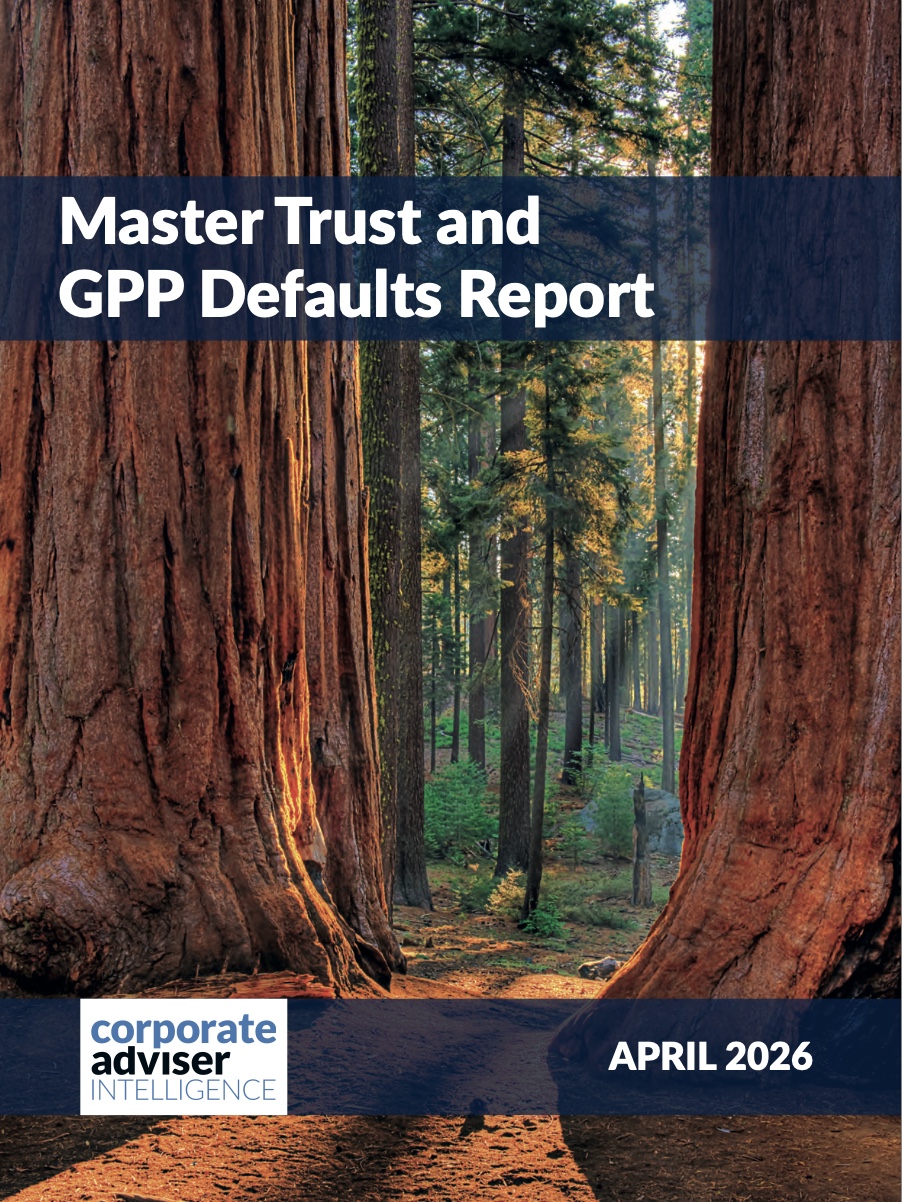
VIDEO

Corporate Adviser Special Report

REQUEST YOUR COPY

Most Popular

  • Majority of DB schemes to share surplus funds with employers only

  • John Greenwood: Who’s still targeting annuity purchase?

  • Aegon’s Robinson joins Gallagher as head of DC investment

  • HMRC begins payouts to low earners impacted by pension discrepancy

  • Sacker & Partners claims ‘practical questions’ remain over DB surplus

  • Aptia appoints new head of pension risk transfer

Corporate Adviser

© 2017-2024 Definite Article Media Limited. Design by 71 Media Limited.

  • About
  • Advertise
  • Privacy policy
  • T&Cs
  • Contact

Follow Us

X
No Result
View All Result
  • Home
  • News
  • In Depth
  • Profile
  • Pensions
    • Auto-enrolment
    • DB
    • DC
    • Defaults
    • Investment
    • Master Trusts
    • Sipps & SSAS
    • Taxation
  • Group Risk
    • Group Life
    • Group IP
    • Group CIC
    • Mental Health
    • Rehab
    • Wellbeing
  • Healthcare
    • Musculoskeletal
    • Mental Health
    • IPT
    • Wellbeing
    • Trusts
    • Cash Plans
  • Wellbeing
    • Mental Health
    • Health & Wellbeing
    • Financial resilience
  • ESG

No Result
View All Result
  • Home
  • News
  • In Depth
  • Profile
  • Pensions
    • Auto-enrolment
    • DB
    • DC
    • Defaults
    • Investment
    • Master Trusts
    • Sipps & SSAS
    • Taxation
  • Group Risk
    • Group Life
    • Group IP
    • Group CIC
    • Mental Health
    • Rehab
    • Wellbeing
  • Healthcare
    • Musculoskeletal
    • Mental Health
    • IPT
    • Wellbeing
    • Trusts
    • Cash Plans
  • Wellbeing
    • Mental Health
    • Health & Wellbeing
    • Financial resilience
  • ESG

This website uses cookies. By continuing to use this website you are giving consent to cookies being used. Visit our Privacy and Cookie Policy.